- 2026 Prize
- From Industrial Architecture
HIGETA Building
Project Description
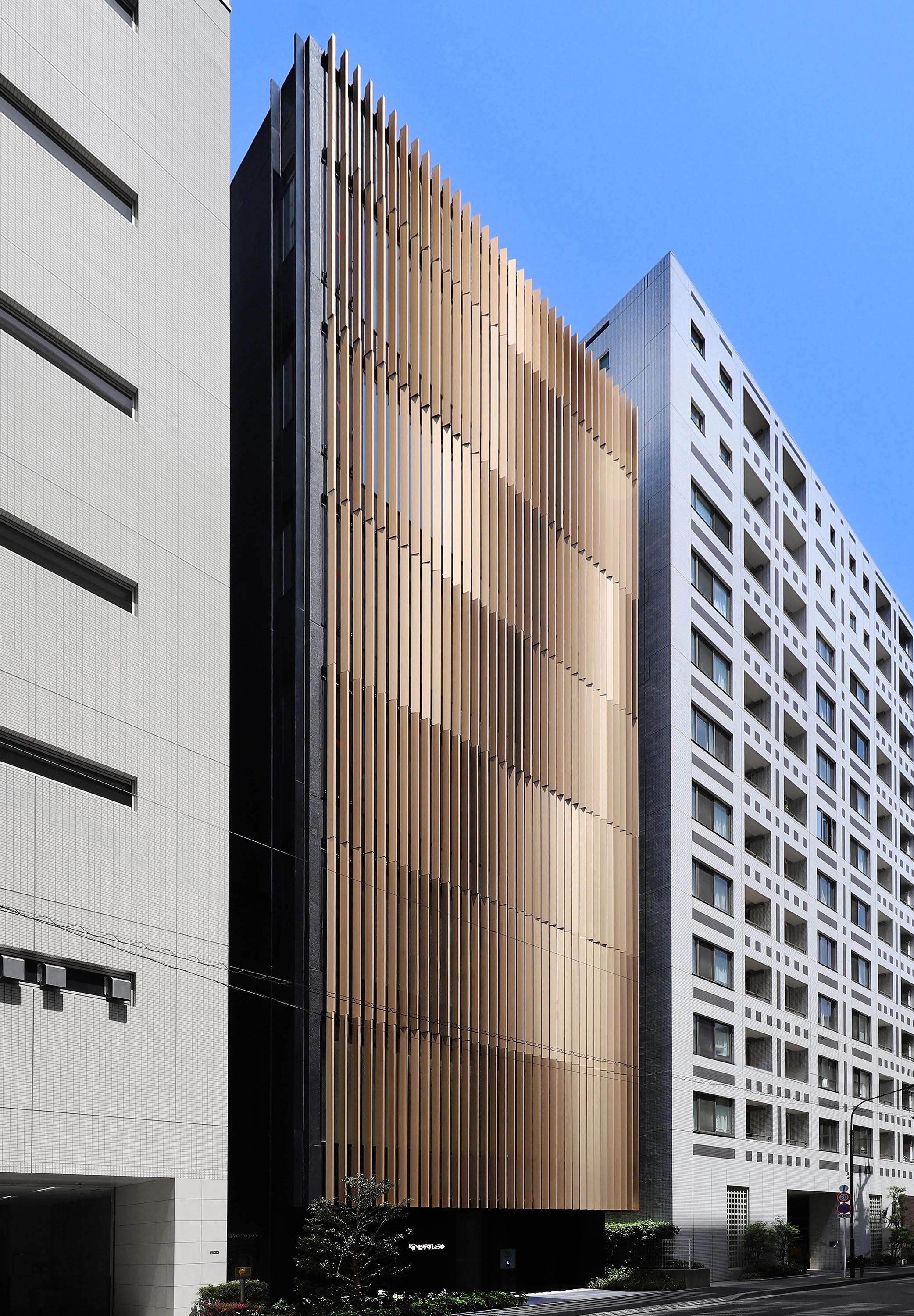
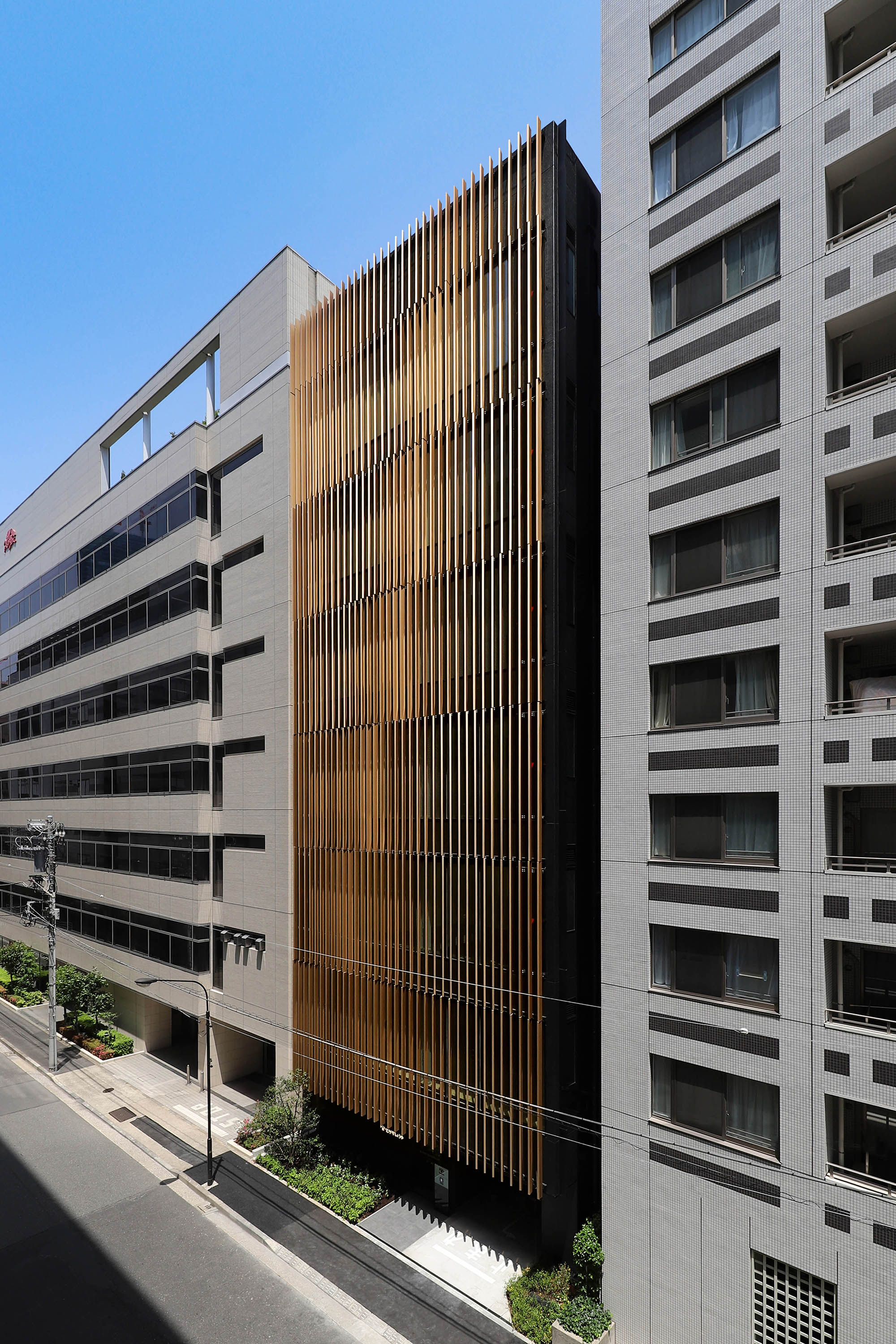
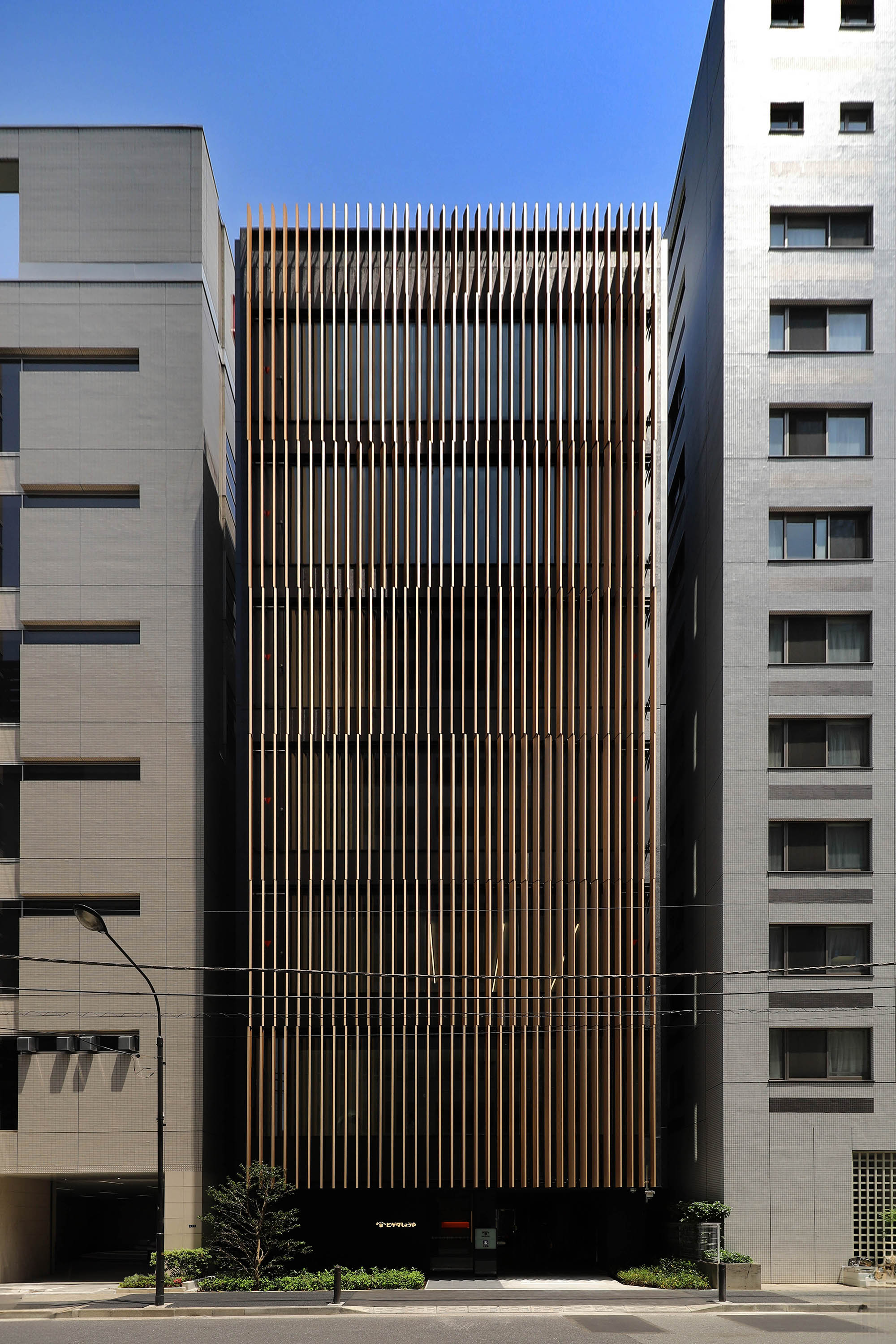
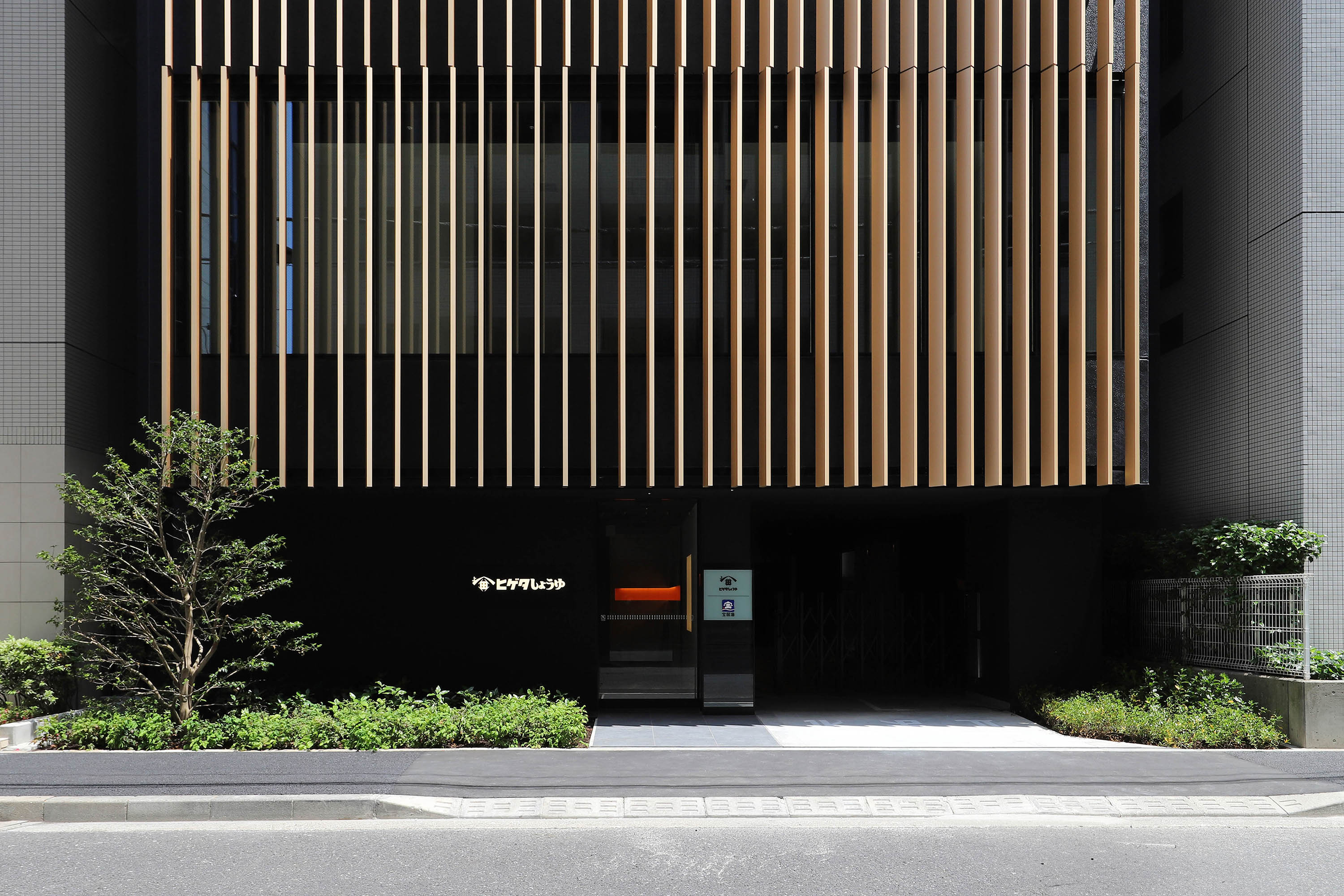
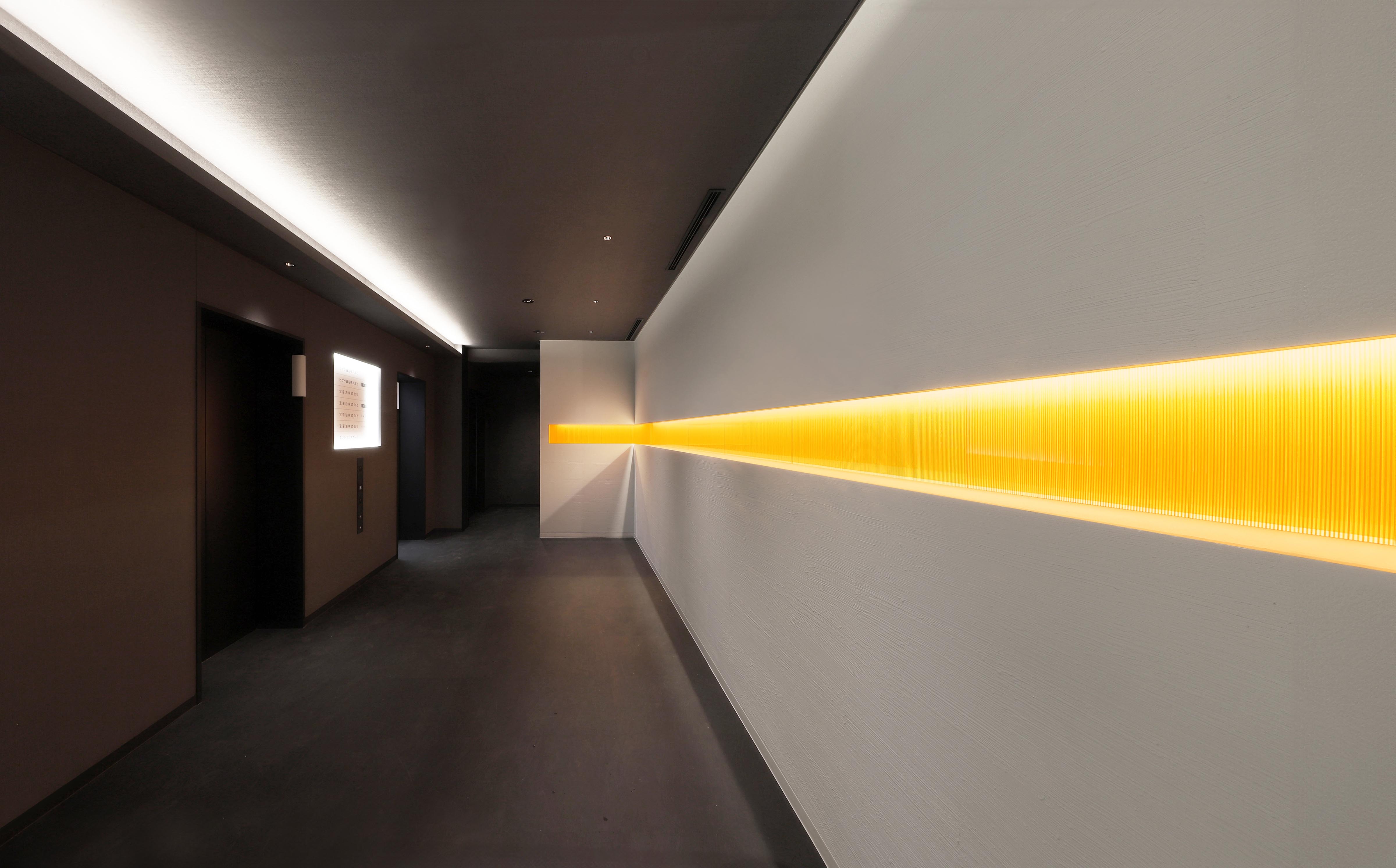
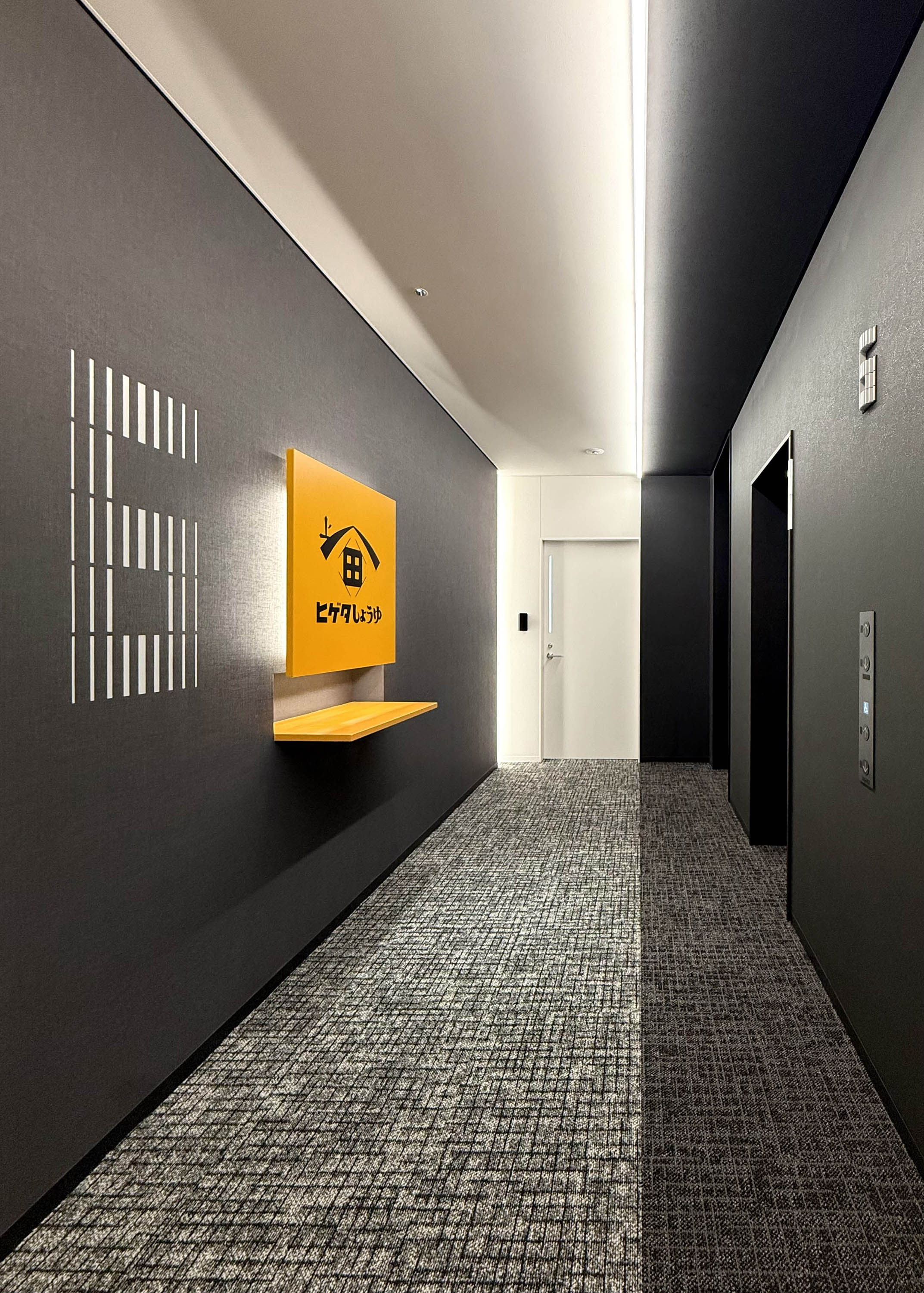
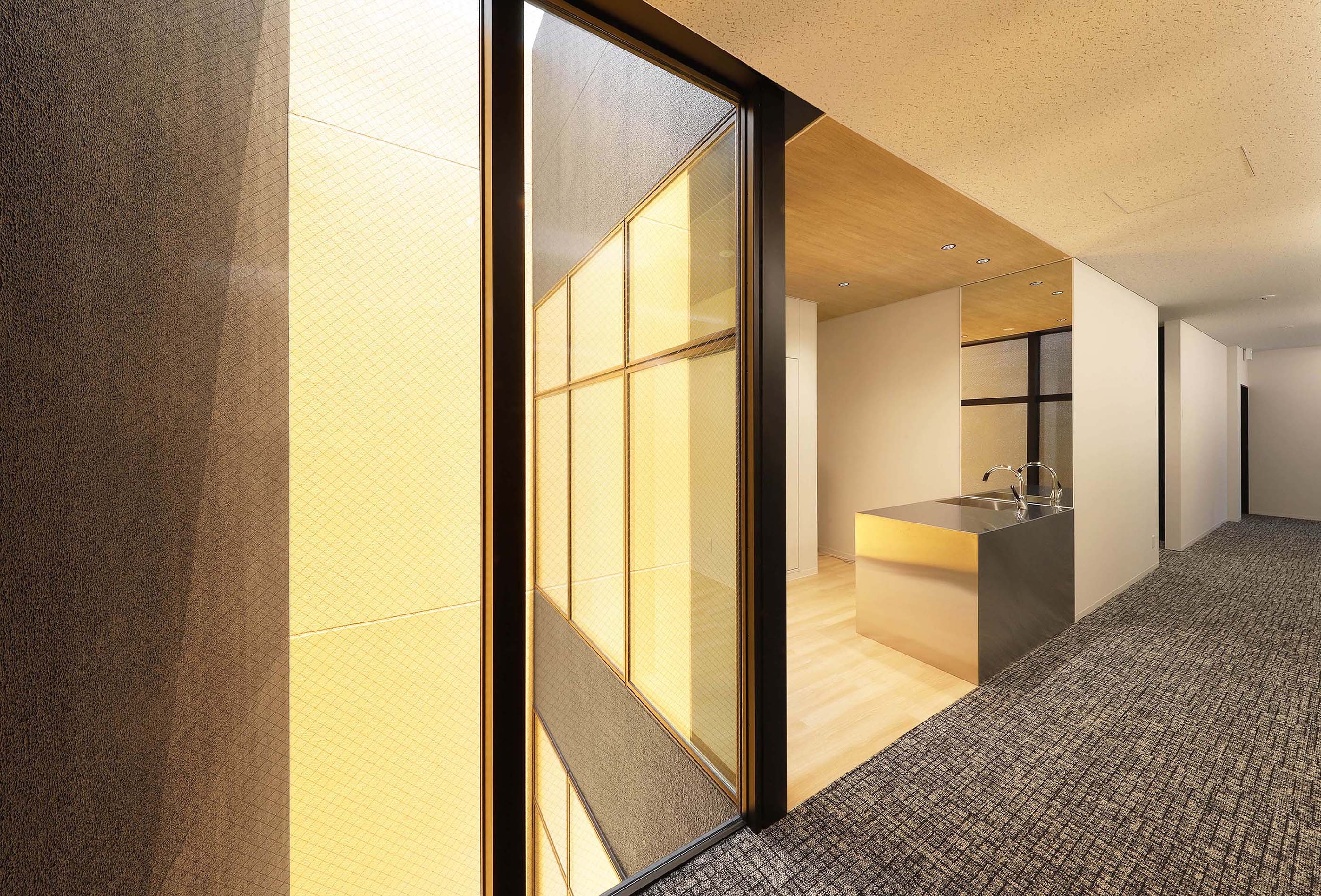
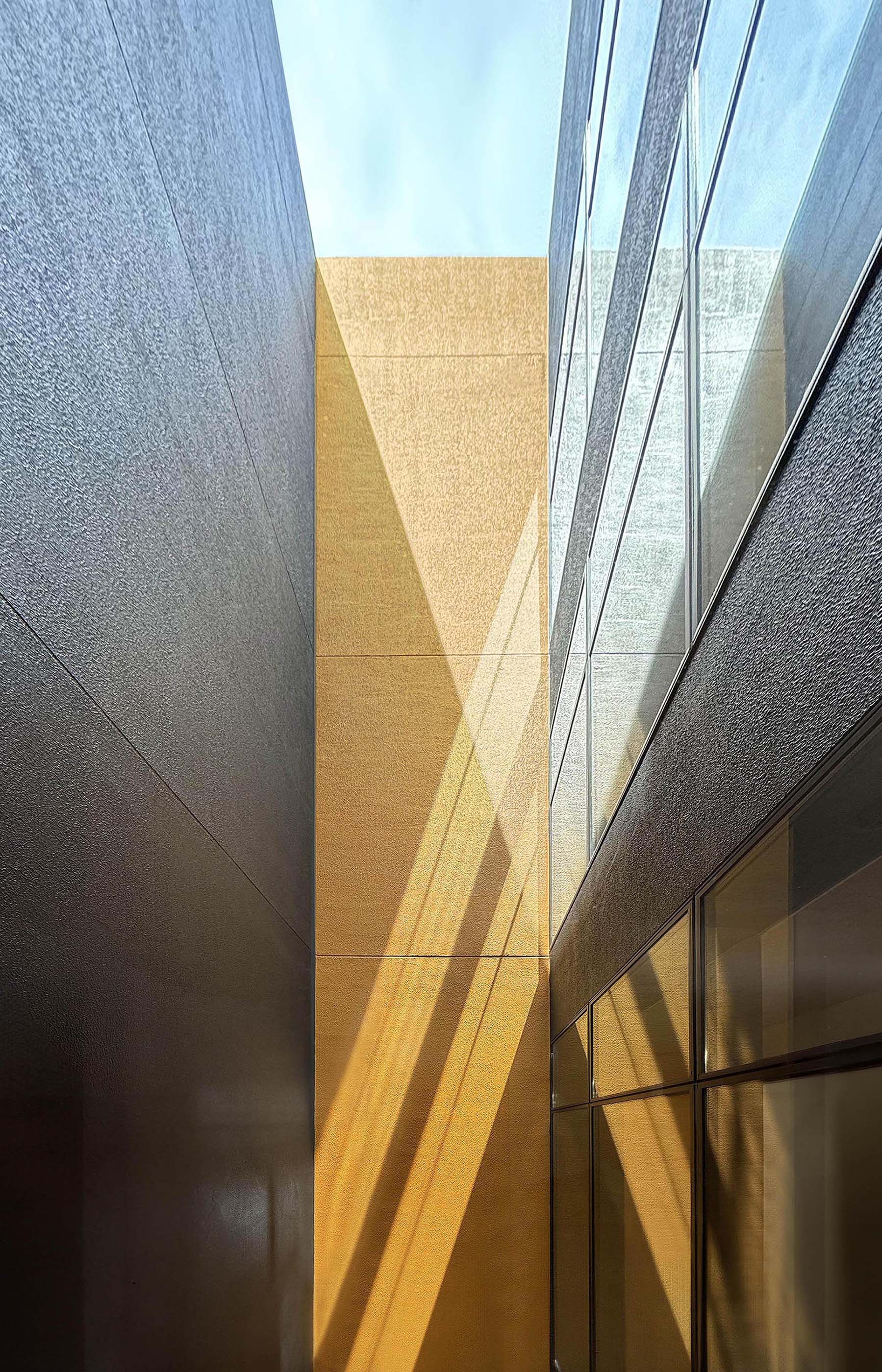
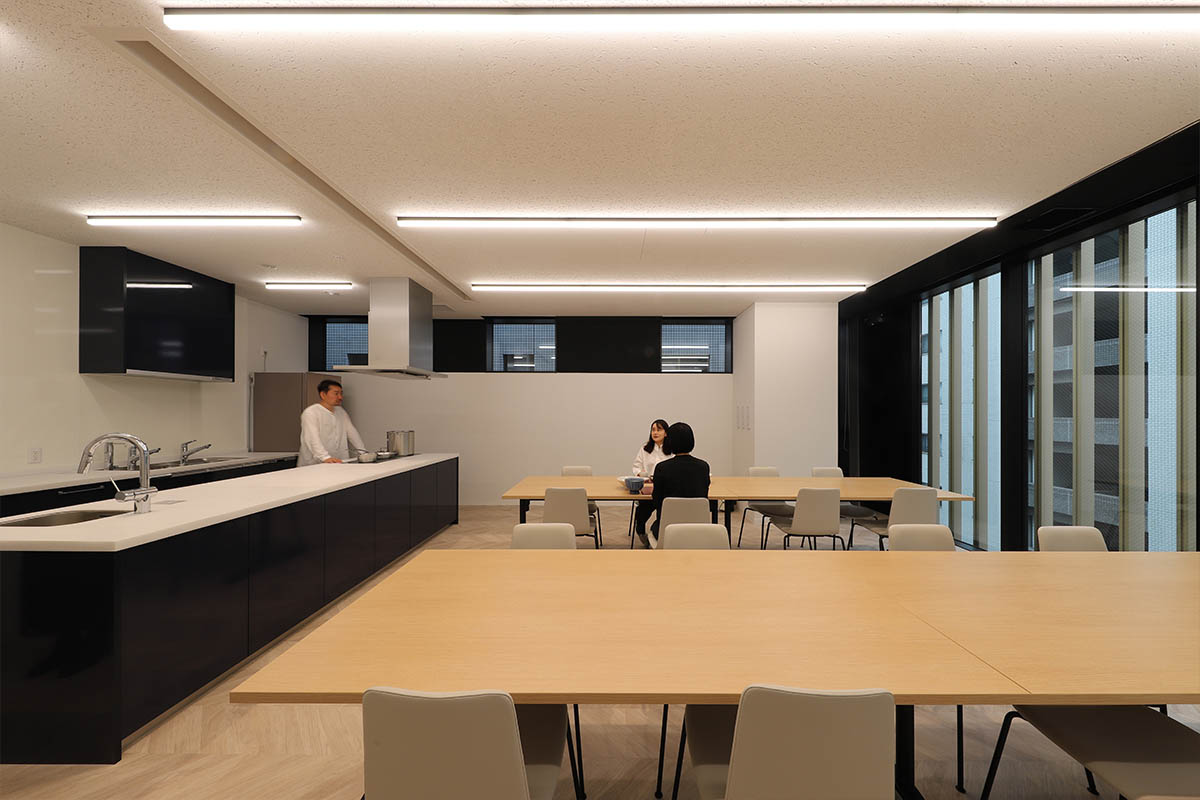
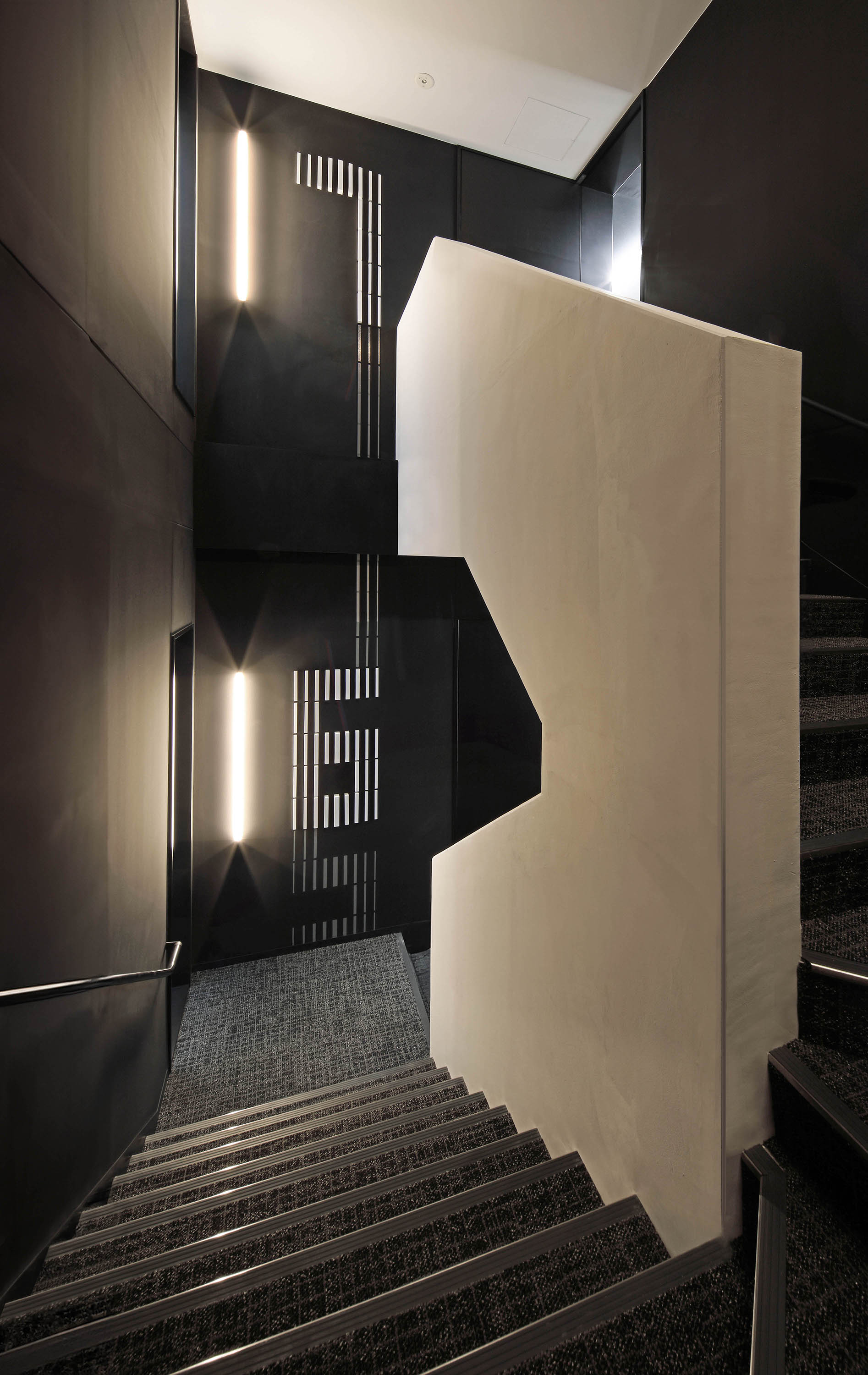
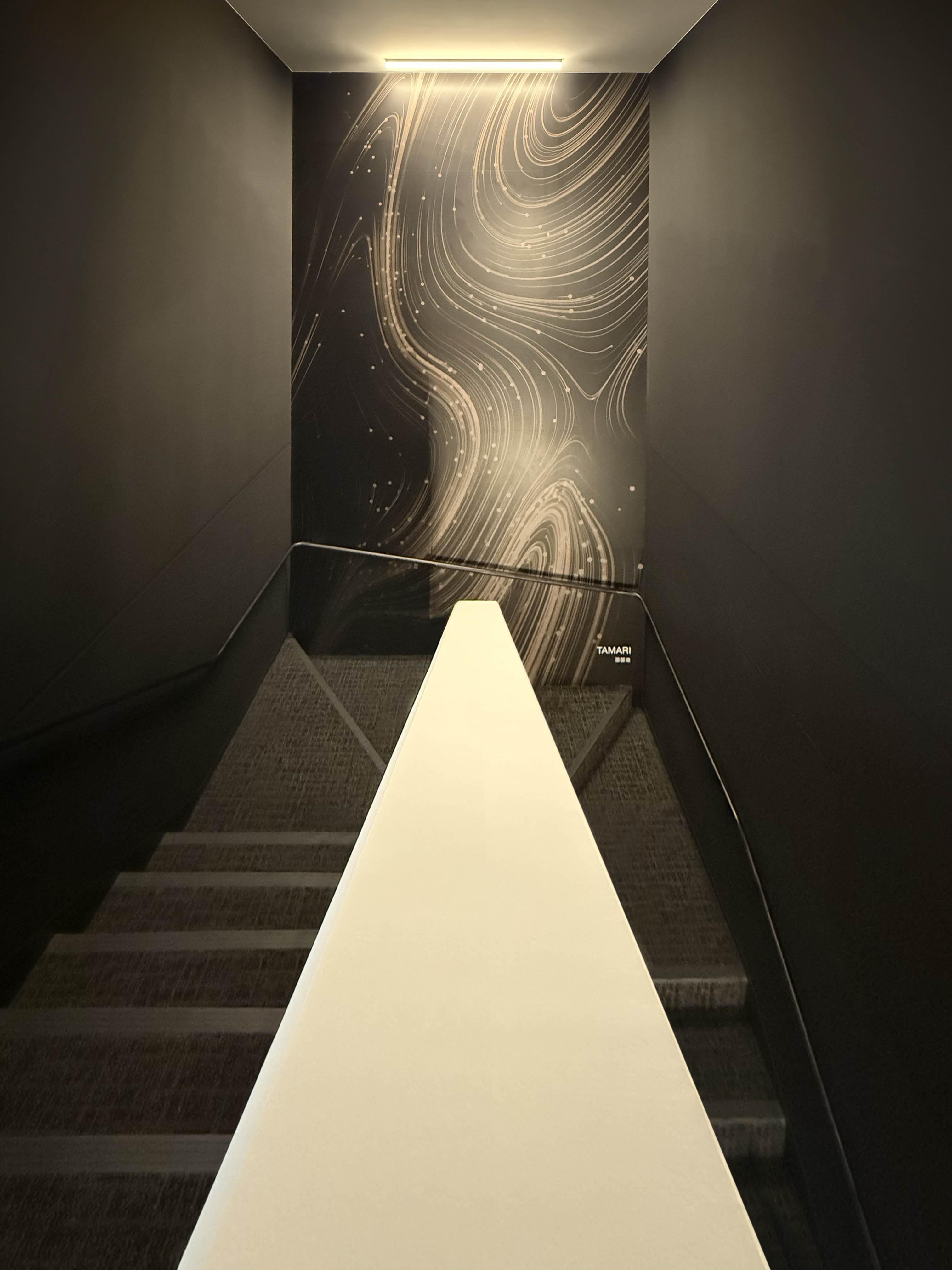
Higeta Shoyu Co., Ltd., one of Japan’s most storied soy sauce producers, was founded in 1616 in Chōshi, Shimōsa Province (present-day Chiba Prefecture). Its origins trace back to Genba Tanaka III, who began producing and selling tamari soy sauce. In 1697 (Genroku 10), the company revolutionized the craft by introducing wheat into the brewing process, establishing the prototype of modern koikuchi soy sauce—an achievement of lasting significance in Japan’s culinary history. This innovation remains a symbol of Higeta Shoyu’s progressive spirit and deep-rooted traditions. The new headquarters, known as the “Higeta Building,” stands in Nihonbashi, Tokyo, where the company has maintained its head office for generations. Rising seven stories in reinforced concrete, the building occupies a narrow-fronted, deep urban site. This condition required a facade with high corporate visibility and a strong symbolic identity reflecting the brand’s history and ethos.
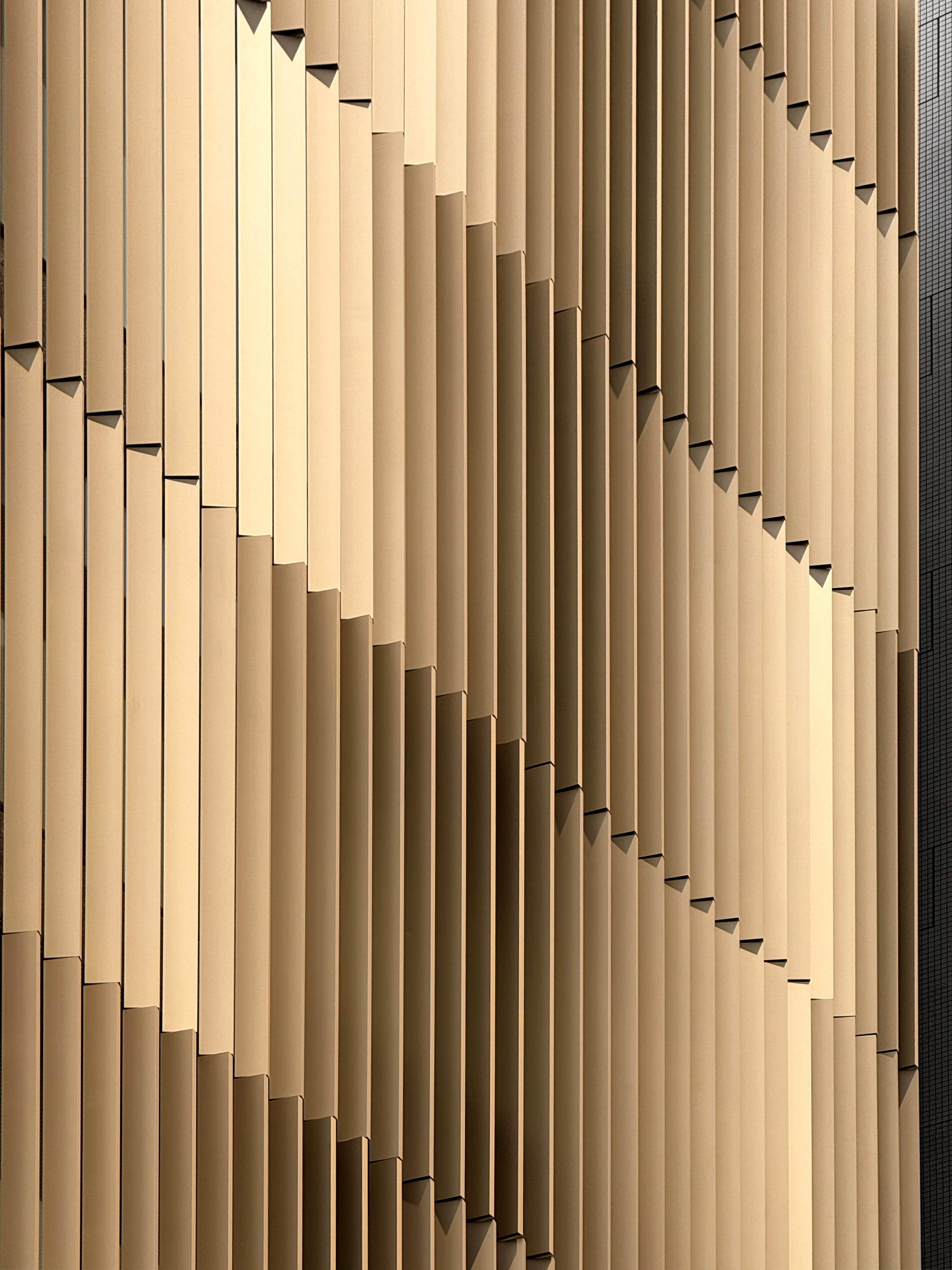
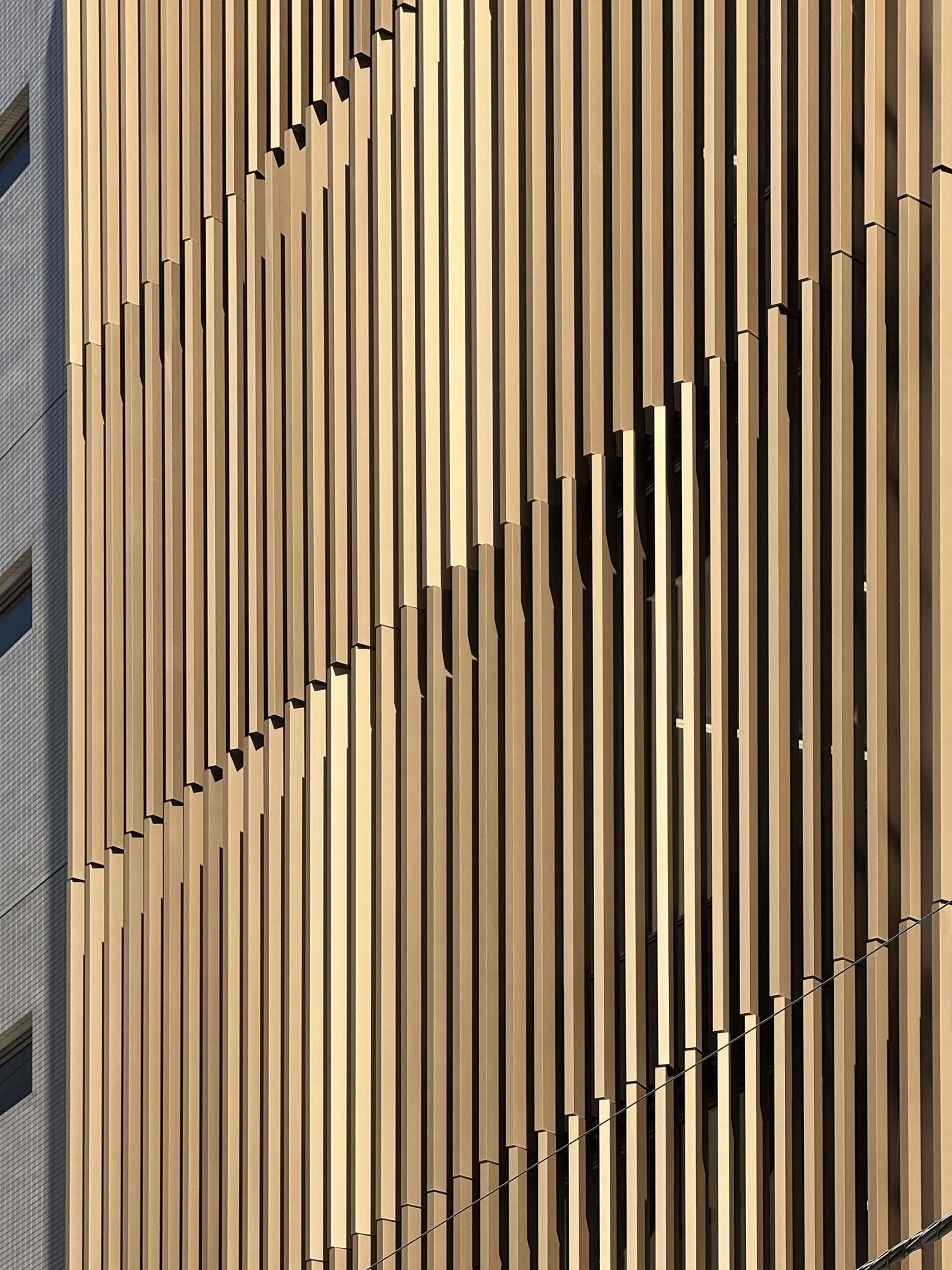
The design adopts “wheat” as its central motif, paying homage to the ingredient that transformed the company’s craft over three centuries ago. The facade is articulated with golden louver fins, evoking rippling wheat fields. Their rhythm and curvature were informed by computational simulations of the wind patterns that might have swept this very site 400 years ago. This subtle, dynamic undulation captures the elegance of wheat heads swaying in the breeze, embodying both the dignity of Higeta Shoyu and its forward-looking vision. In doing so, the project makes the “wind of memory” tangible as contemporary architecture within the historical fabric of Nihonbashi.
Historically, soy sauce brewed in Chōshi’s warm, humid climate was transported by waterway to Edo (modern Tokyo), becoming an indispensable staple in daily life. Recognized by the Tokugawa shogunate as “finest quality” and later appointed as a purveyor to the Imperial Household during the Meiji era, the company’s commitment to excellence has been handed down across generations. This new headquarters building fuses tradition and innovation, uniting four centuries of history with a bold vision for the next four hundred years. It serves as a symbolic bridge between Chōshi and Nihonbashi—two places that have shaped the company’s legacy—ensuring that Higeta Shoyu’s enduring spirit is carried forward with strength, clarity, and purpose from Japan to the world, inspiring future generations everywhere.
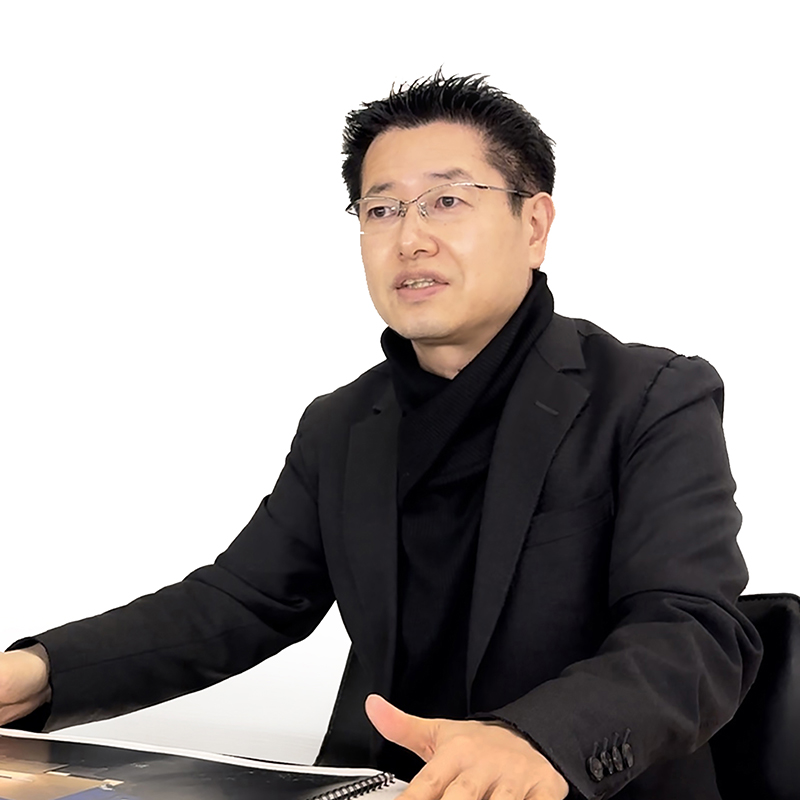
MR STUDIO Co., Ltd. is a Tokyo-based architectural design practice founded in 2017 by architect Nobuaki Miyashita. Working across architecture, interior design, lighting, signage and landscape, the studio undertakes a diverse range of projects, including corporate headquarters, offices, factories, educational facilities, commercial spaces and residences.
The studio’s design philosophy is “visualizing identity.” It translates the history, philosophy, technologies and regional characteristics of each client into distinctive architectural and spatial experiences.
Miyashita received his Bachelor of Architecture in 1995 and Master of Architecture in 1997 from the Tokyo University of Science. Before establishing MR STUDIO, he worked in the Design Department of Takenaka Corporation for twenty years, from 1997 to 2017.
Projects designed or led by Miyashita have received more than 500 national and international design awards. Major honors include the AIA International Design Awards, The International Architecture Awards presented by The Chicago Athenaeum, Red Dot Design Award, iF DESIGN AWARD, GOOD DESIGN® Awards presented by The Chicago Athenaeum, A’ Design Award Gold, German Design Award, Selected Architectural Designs of the Architectural Institute of Japan, Japan Sign Design Award Grand Prize, BCS Prize, and the Minister of Economy, Trade and Industry Award at the Nikkei New Office Awards.
Miyashita currently serves as an international jury member for several distinguished architectural and design awards, including The American Architecture Awards presented by The Chicago Athenaeum, the A’ DESIGN AWARD & COMPETITION in Italy, and the 4 Future Awards in Canada. Through both his design practice and international jury activities, he continues to strengthen his presence and recognition within the global architecture and design community.