- 2026 Prize
- From Hotel Space
Y Hotel
Project Description
In The Secret Garden, Frances Hodgson Burnett wrote:
"If the world is a wilderness, then your own garden is the place where you can make beautiful things grow."
In today's urban life, this "garden" is no longer merely a metaphor—it has become a genuine necessity. Beyond efficiency and the relentless pace of city living, people long for a place where they can find emotional respite. Y Hotel is precisely such a refuge.
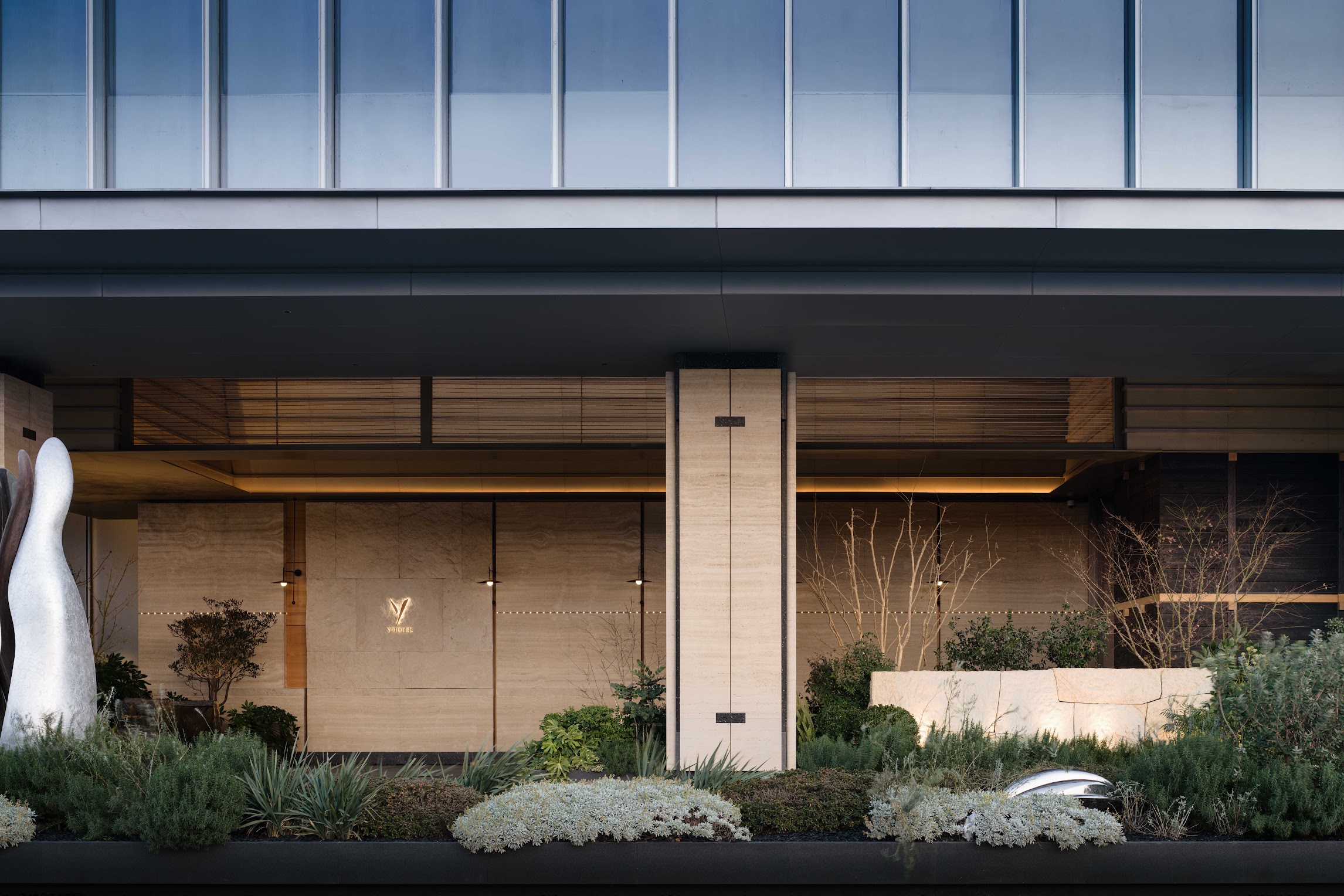
Nestled along the riverside in Ningbo, the hotel remains connected to the city while maintaining a deliberate distance from its noise. From the moment guests step inside, a subtle transition begins—tension dissolves, and a quiet journey inward unfolds.
Filtering the City Through Spatial Movement
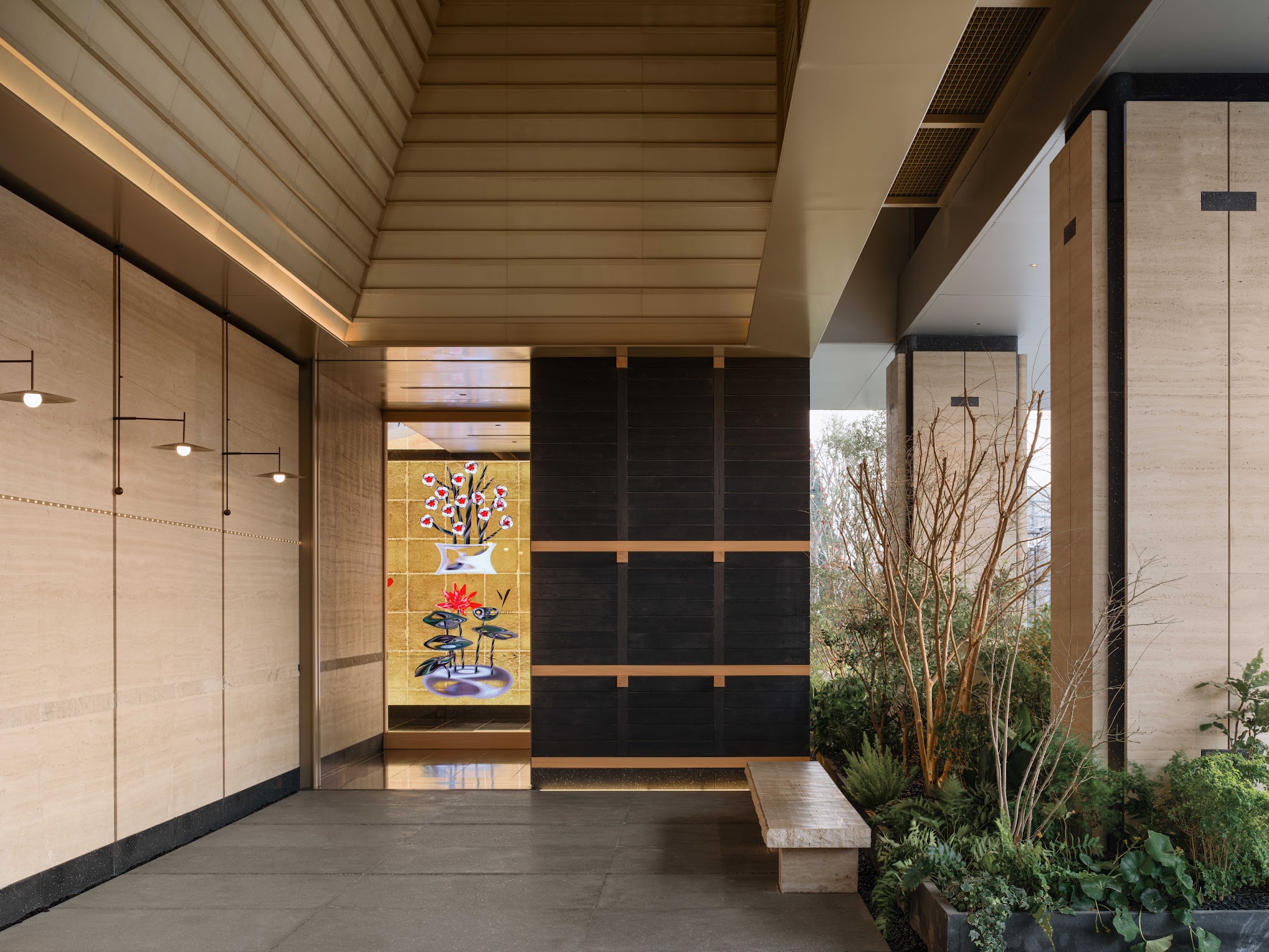
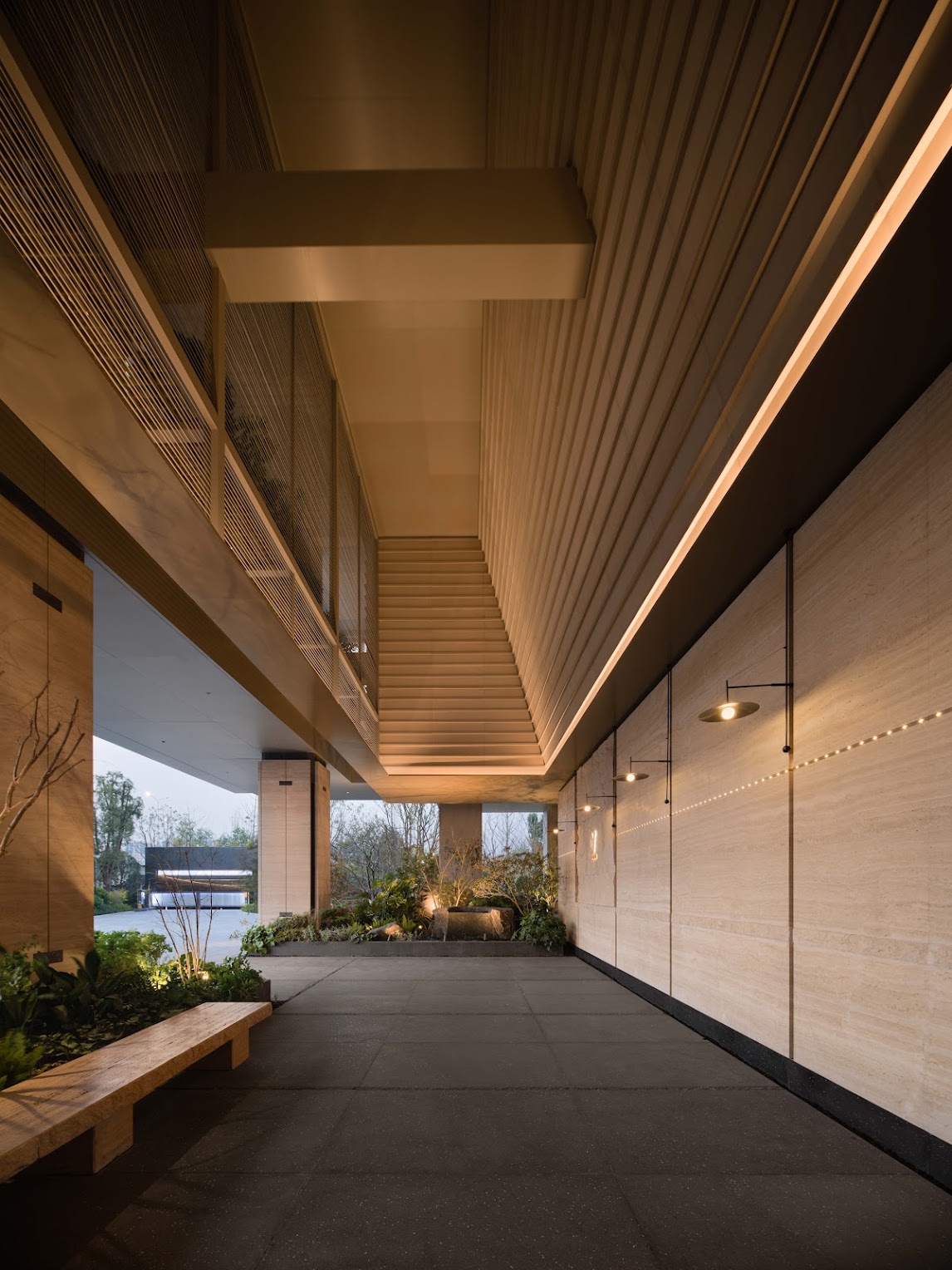
The entrance corridor is intentionally elongated, creating a transitional buffer between the city and this hidden retreat. Lush greenery and garden elements serve as a natural screen, slowing the rhythm of the journey. Rather than relying on excessive ornamentation, the design uses the presence of nature to establish a clear separation from the outside world.
This is the project's first design gesture: using spatial sequencing to create an emotional pause.
As guests pass through this verdant threshold, the bustle of the city gently fades away, setting a tranquil tone for the experience ahead.
Framing Nature as Living Art
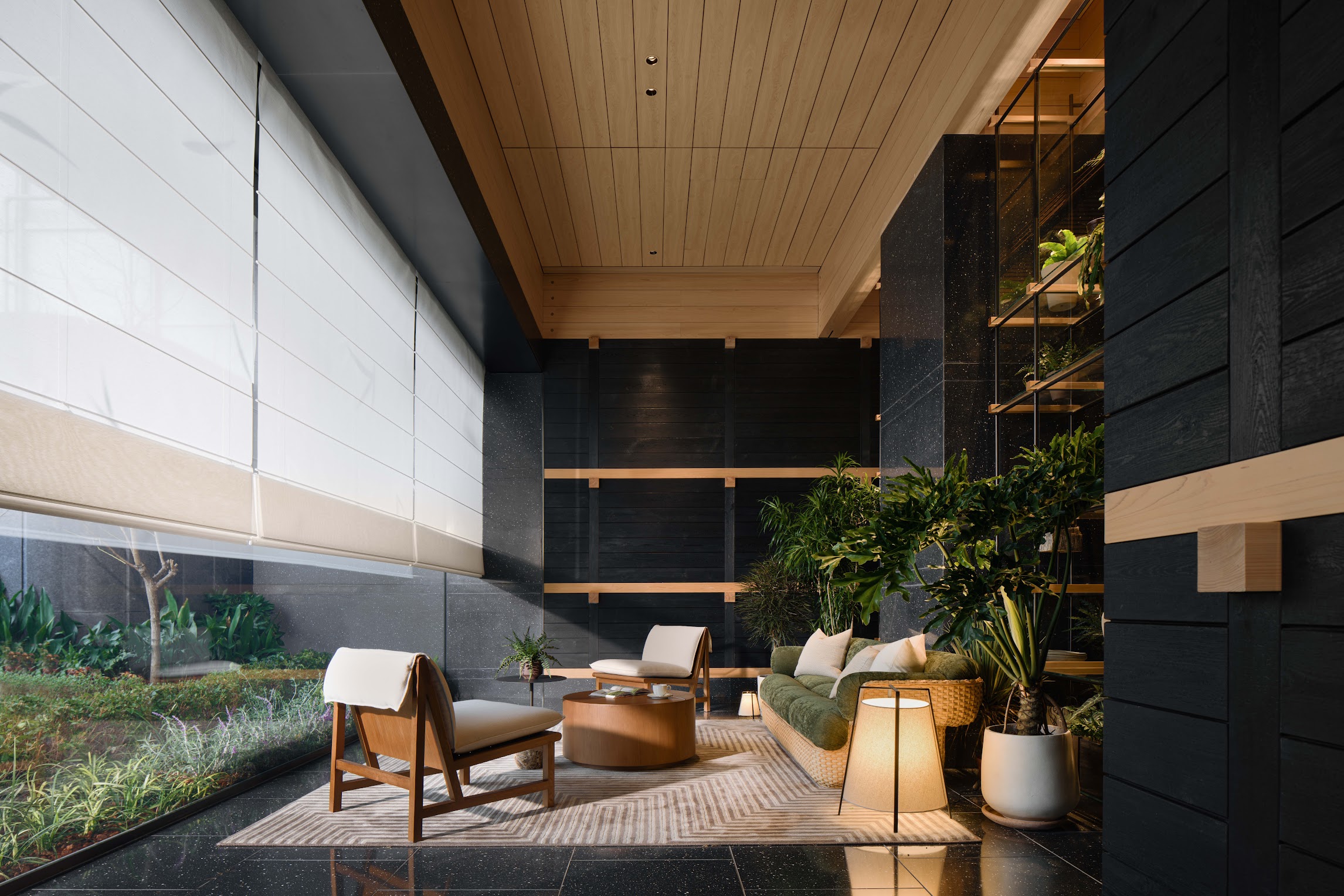
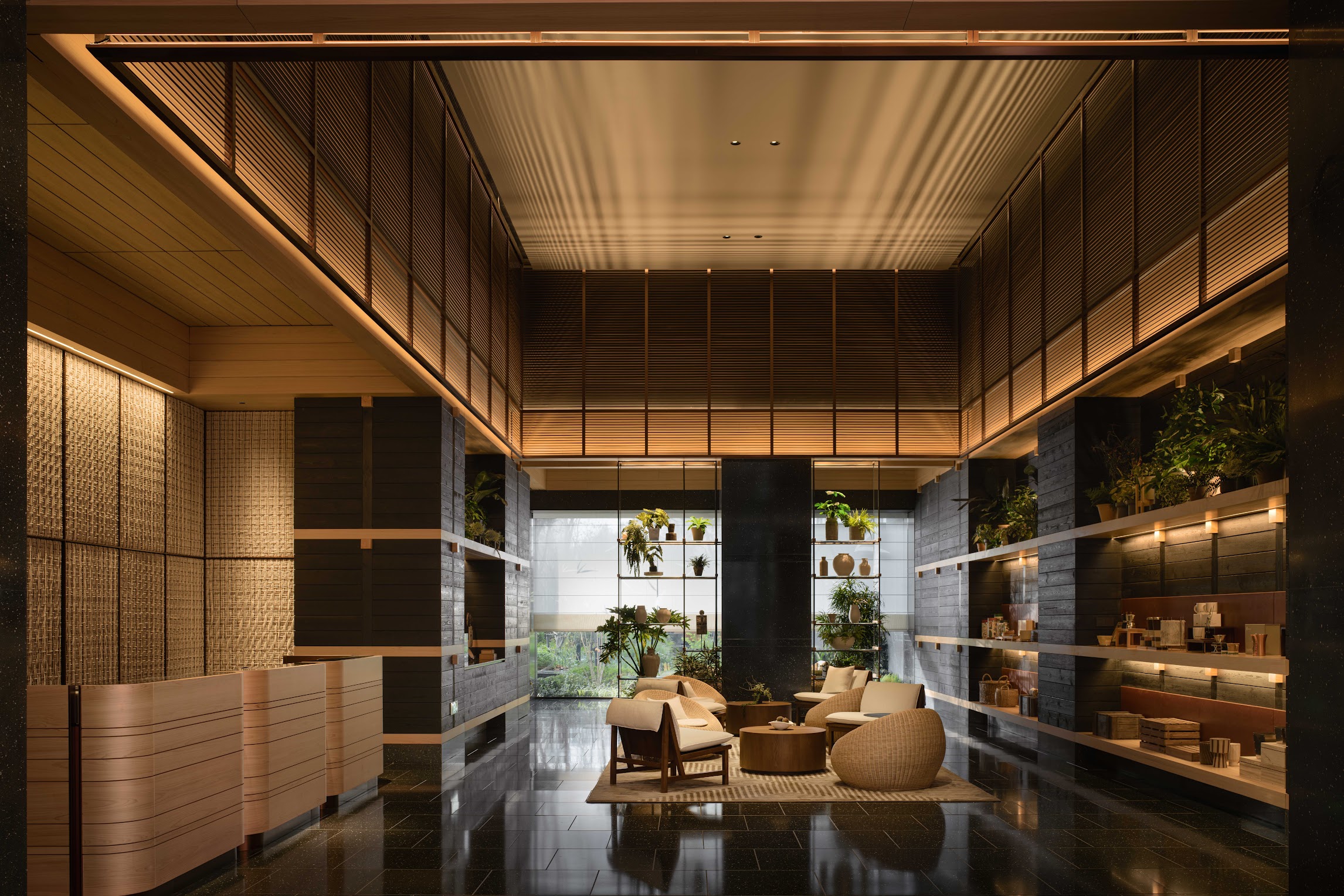
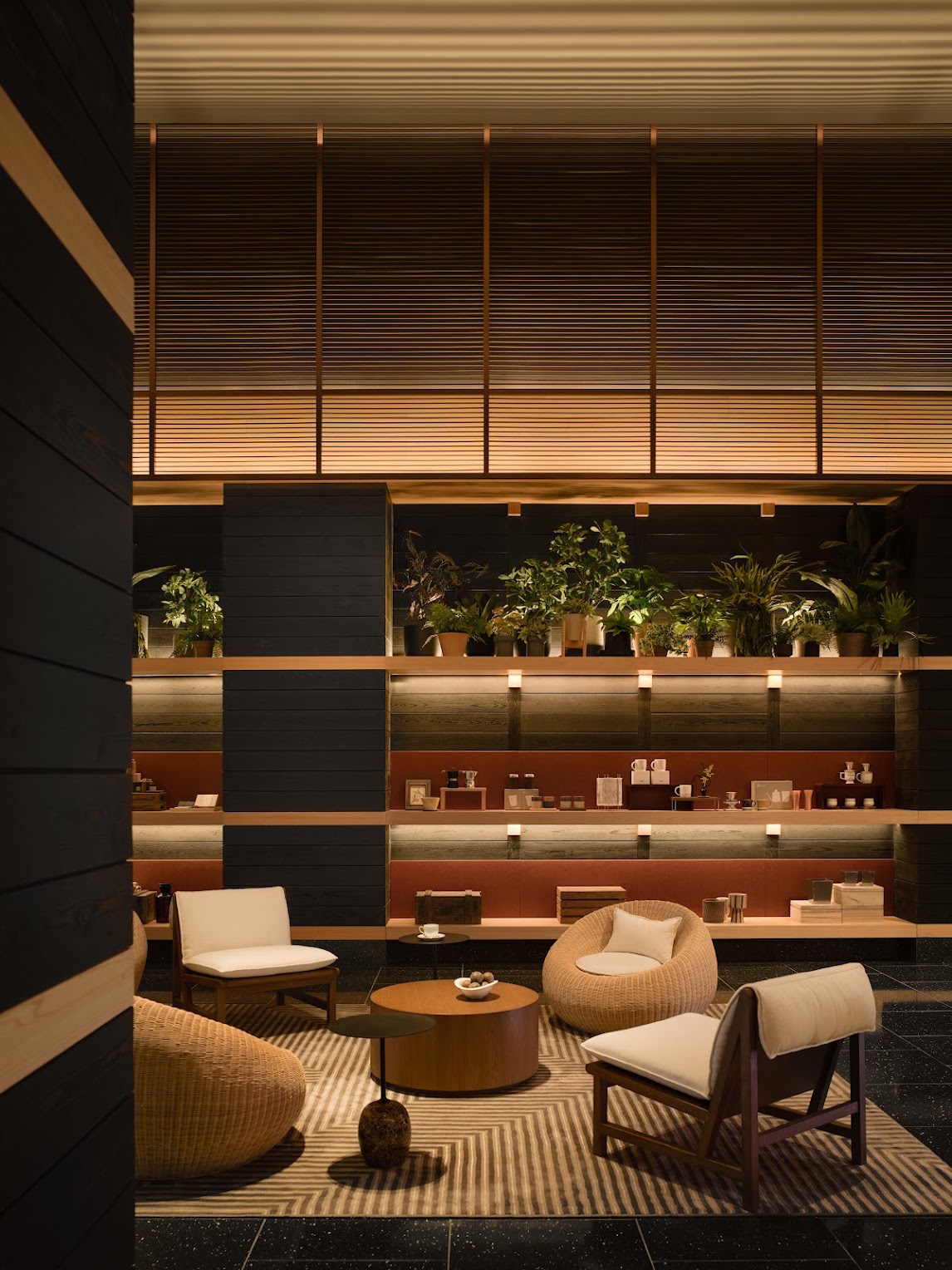
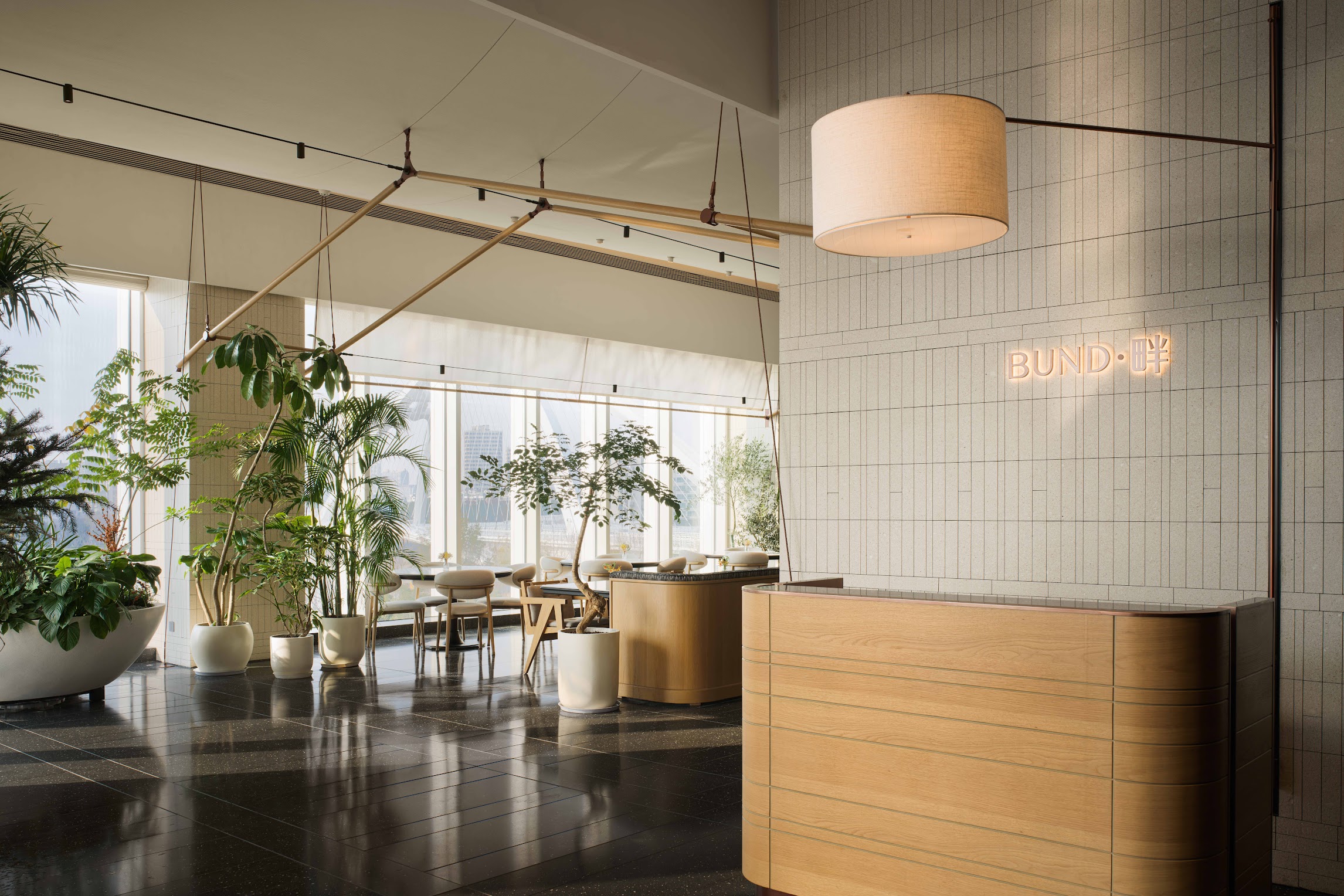
Inside the lobby, grandeur is achieved not through scale but through refinement. A six-meter-high floor-to-ceiling glass façade seamlessly draws the garden landscape indoors, flooding the space with natural light.
The design reinterprets Ningbo's traditional concept of the "China Cabinet" in a contemporary way,using windows as frames that transform the outdoor scenery into a curated work of living art.
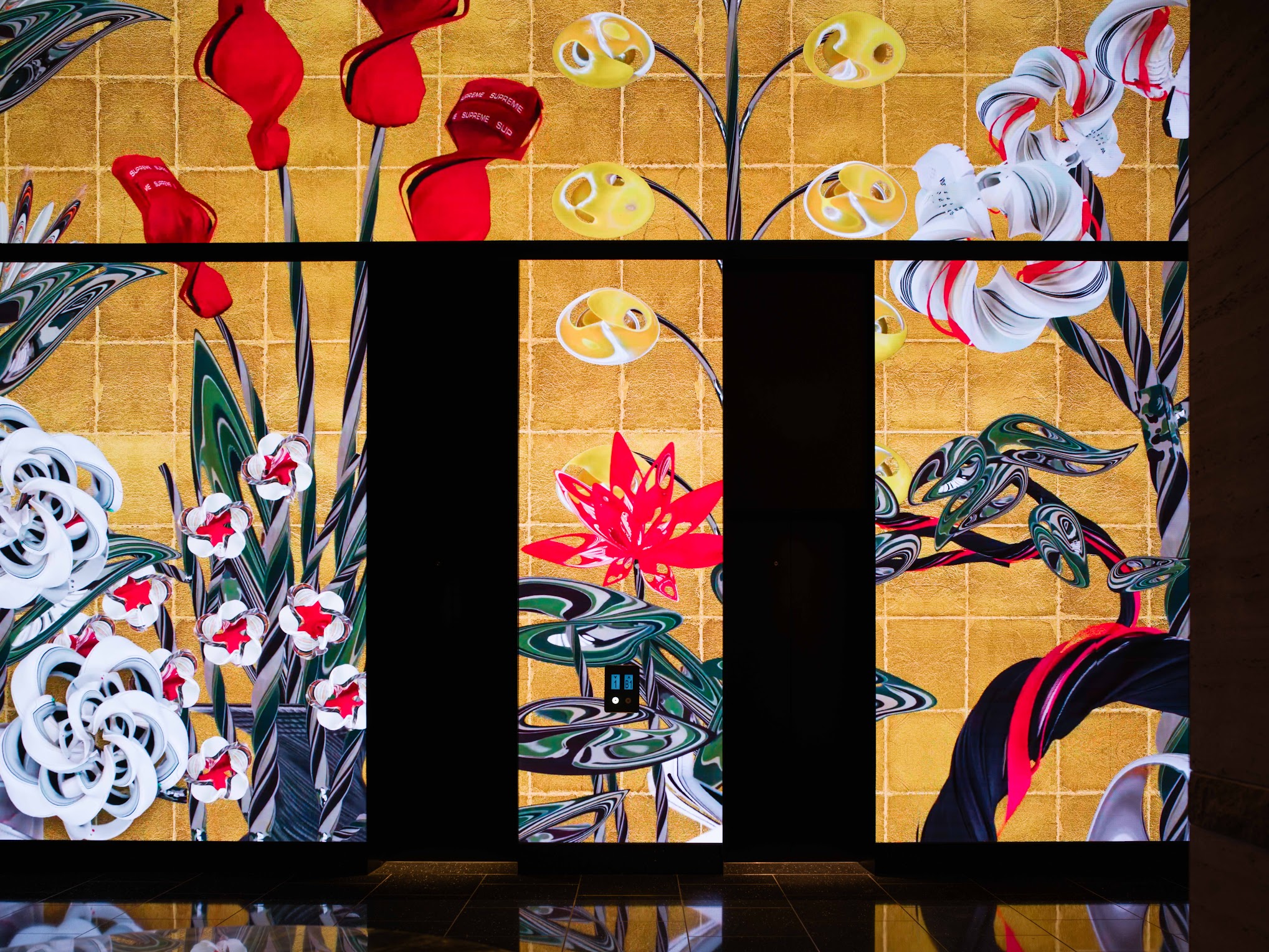
At the center of the lobby, a collaborative LED art installation created with Taiwanese artist Cowper Wang's team takes the local camellia as its inspiration. Everyday objects—including headphones and RIMOWA suitcases—are reassembled into floral forms. Through this unexpected artistic language, the installation responds to the local context by merging natural imagery with contemporary culture. Here, art is not merely decoration but a defining emotional focal point.
Layered Experiences Across Floors
Each level offers a distinct emotional atmosphere.
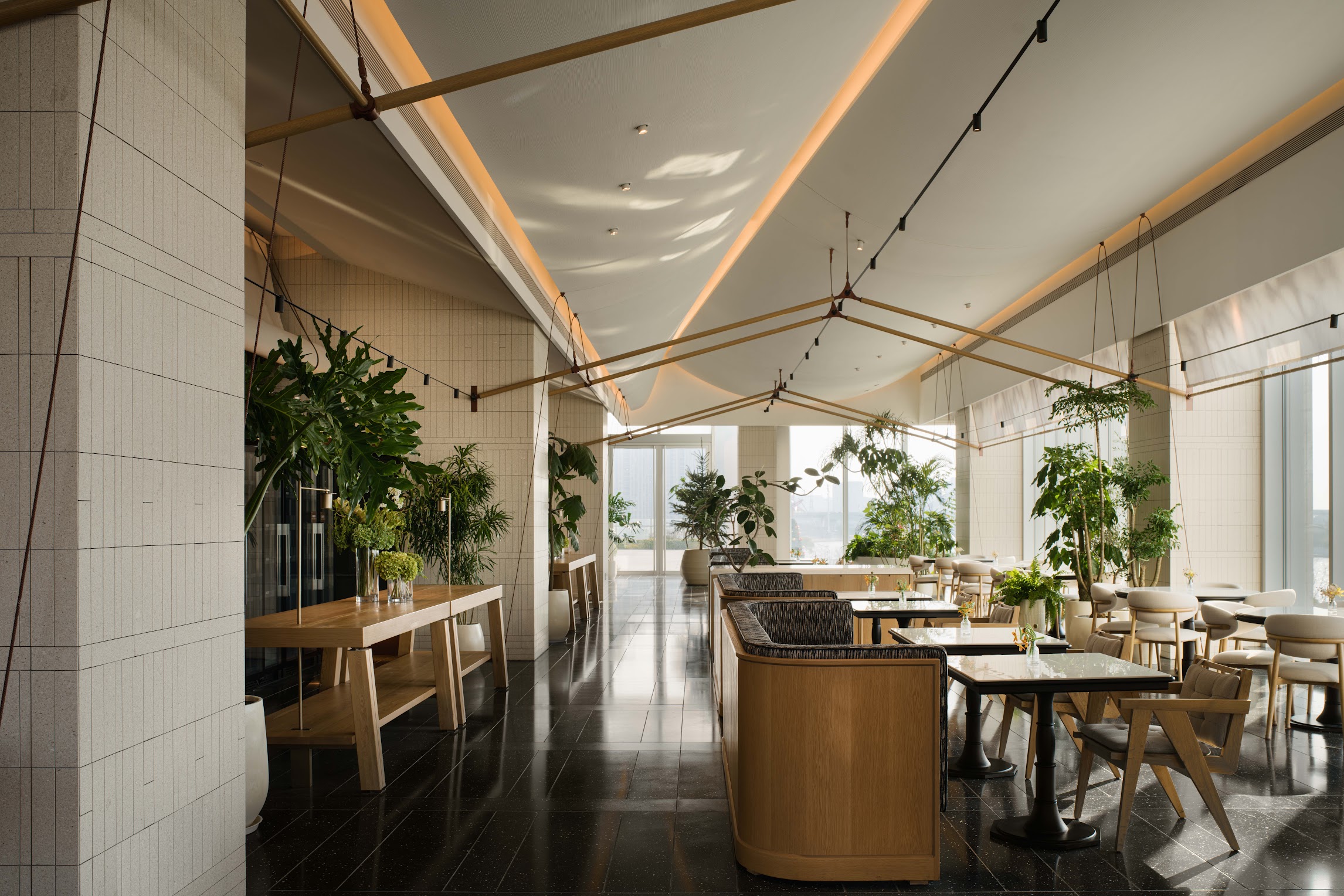
The all-day dining restaurant on the second floor explores how the spirit of resort living can be translated into an elevated urban setting. Inspired by luxury tented camps, metallic structures outline a canopy-like form, complemented by abundant greenery. Guests dine overlooking the river beneath a glamping-inspired ambiance—an immersive interpretation of the outdoors brought indoors.
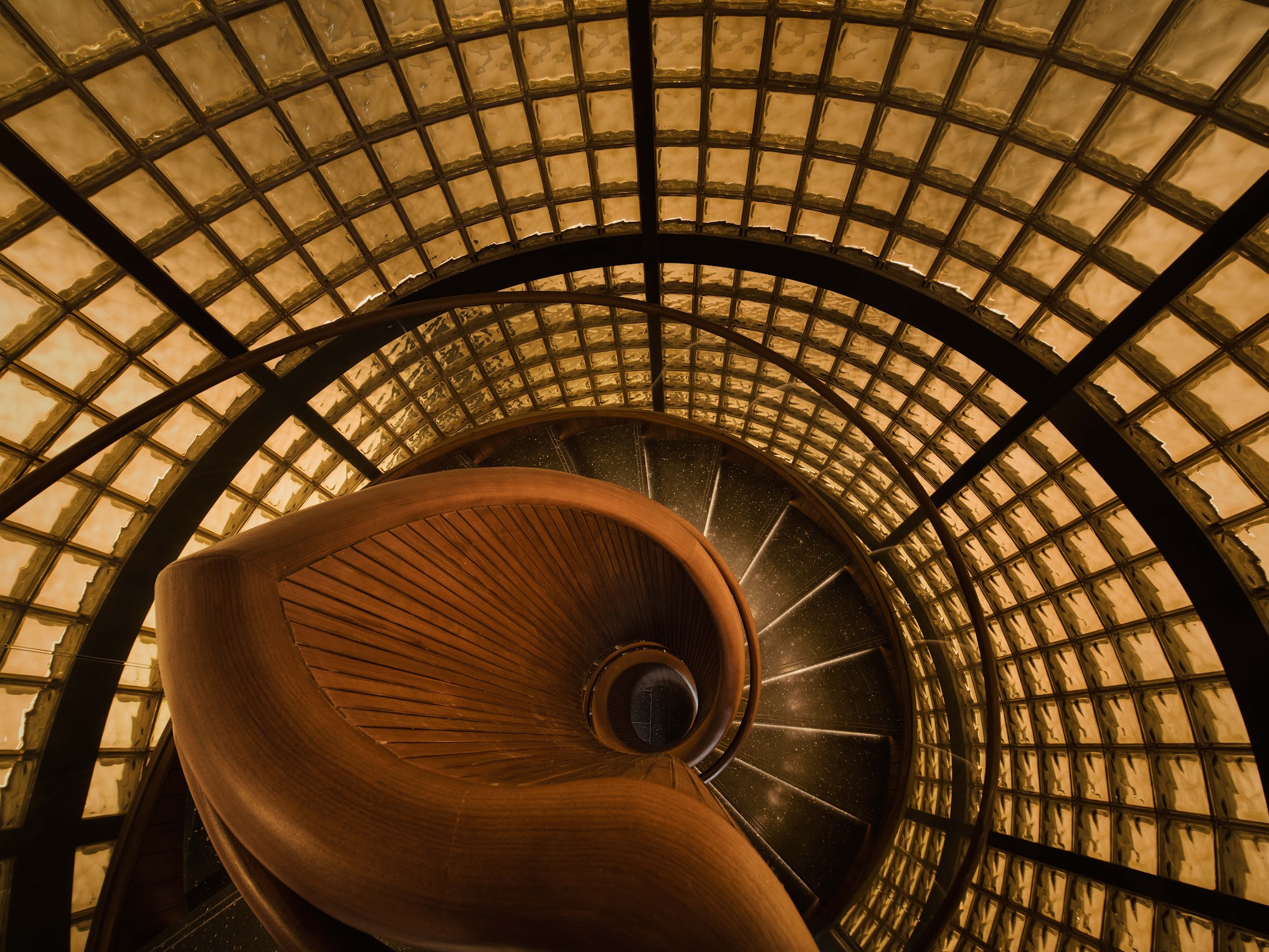
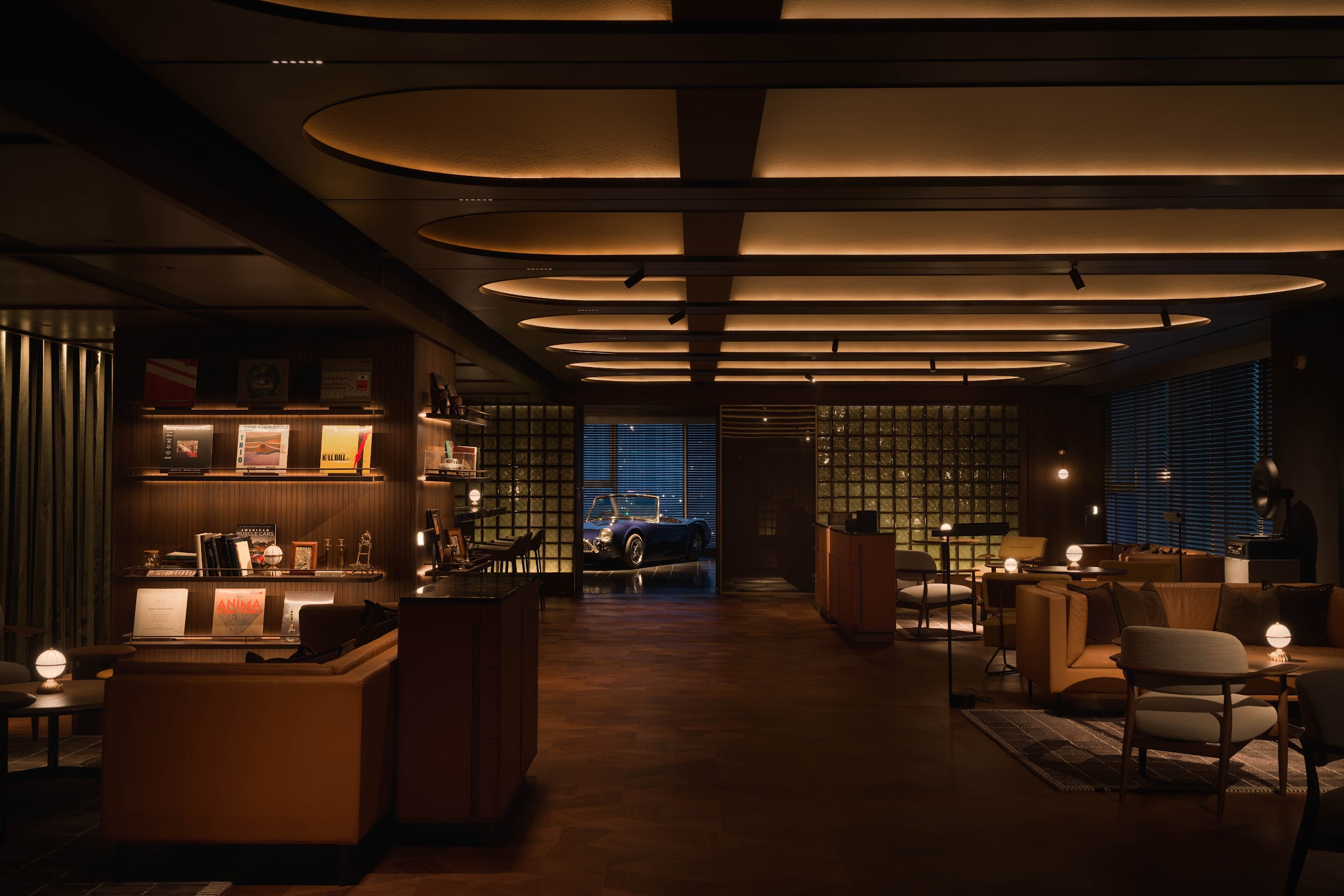
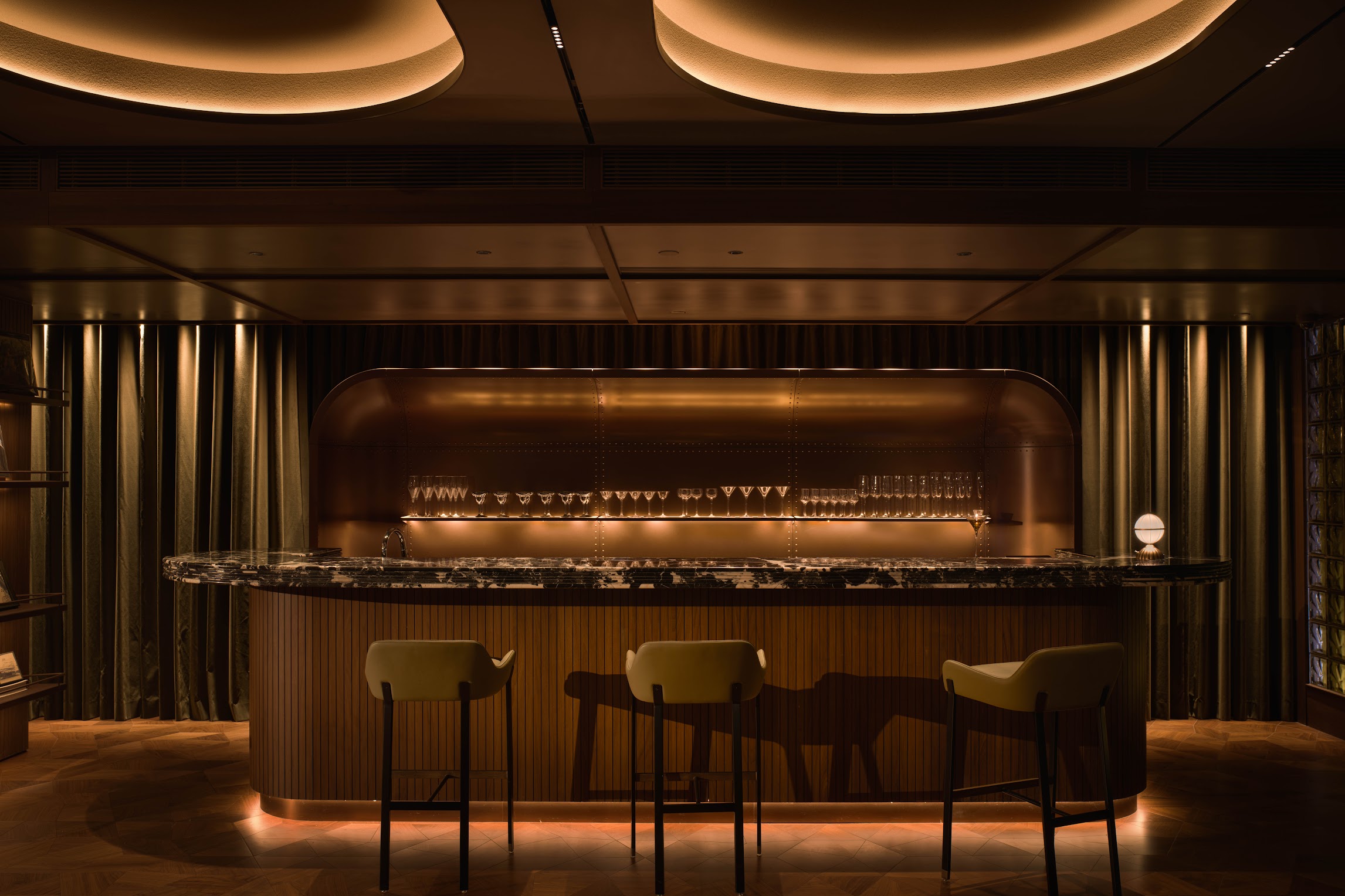
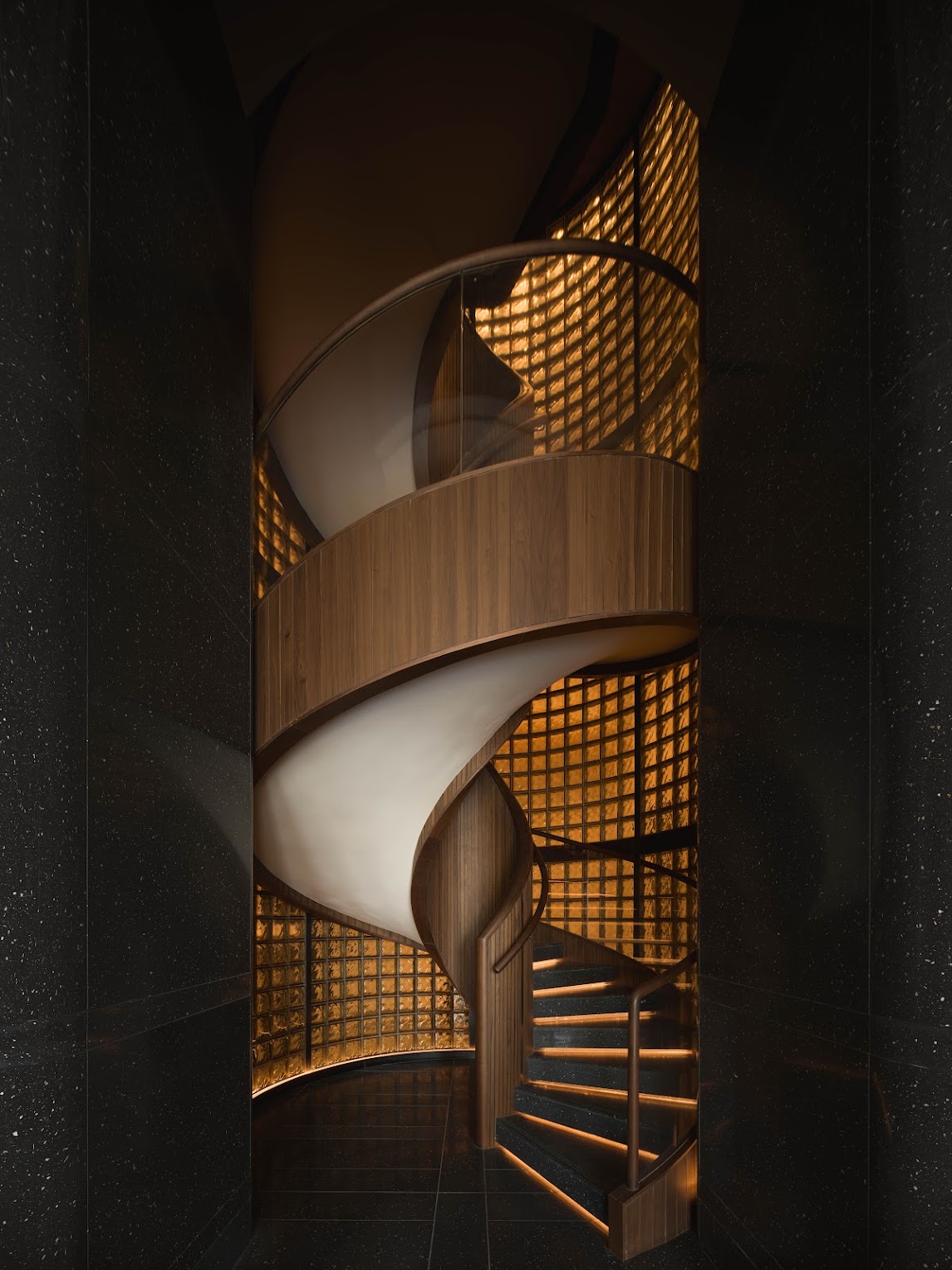
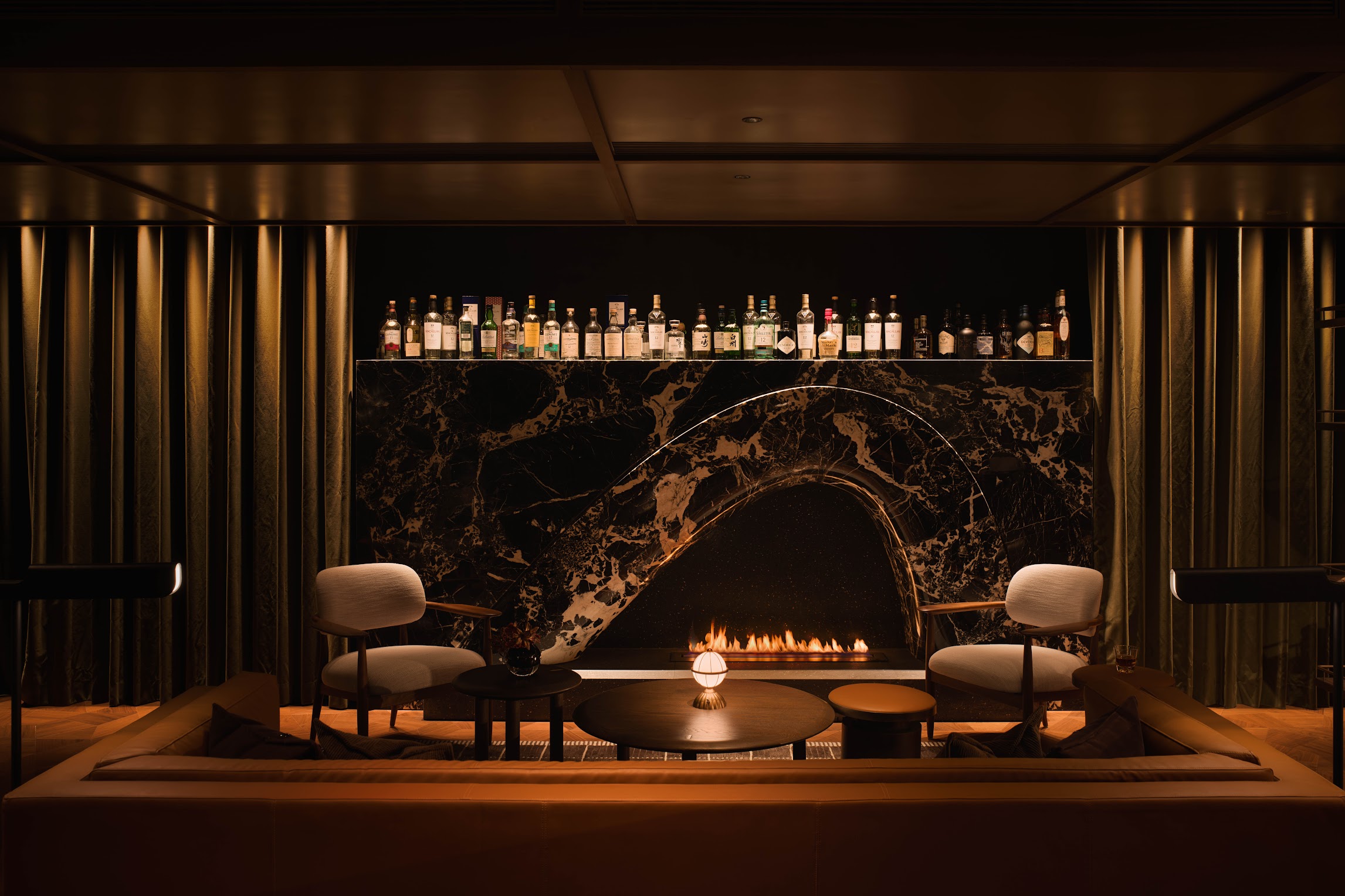
On the third floor, the club bar adopts a more intimate character. Lighting is intentionally subdued,and the enclosed setting blends vintage textures with contemporary tones to create a private social retreat where guests can unwind and let down their guard.
Each functional space is carefully tuned to its own emotional frequency—distinct yet harmonious.
Intentional Restraint: A Hidden Garden in the City
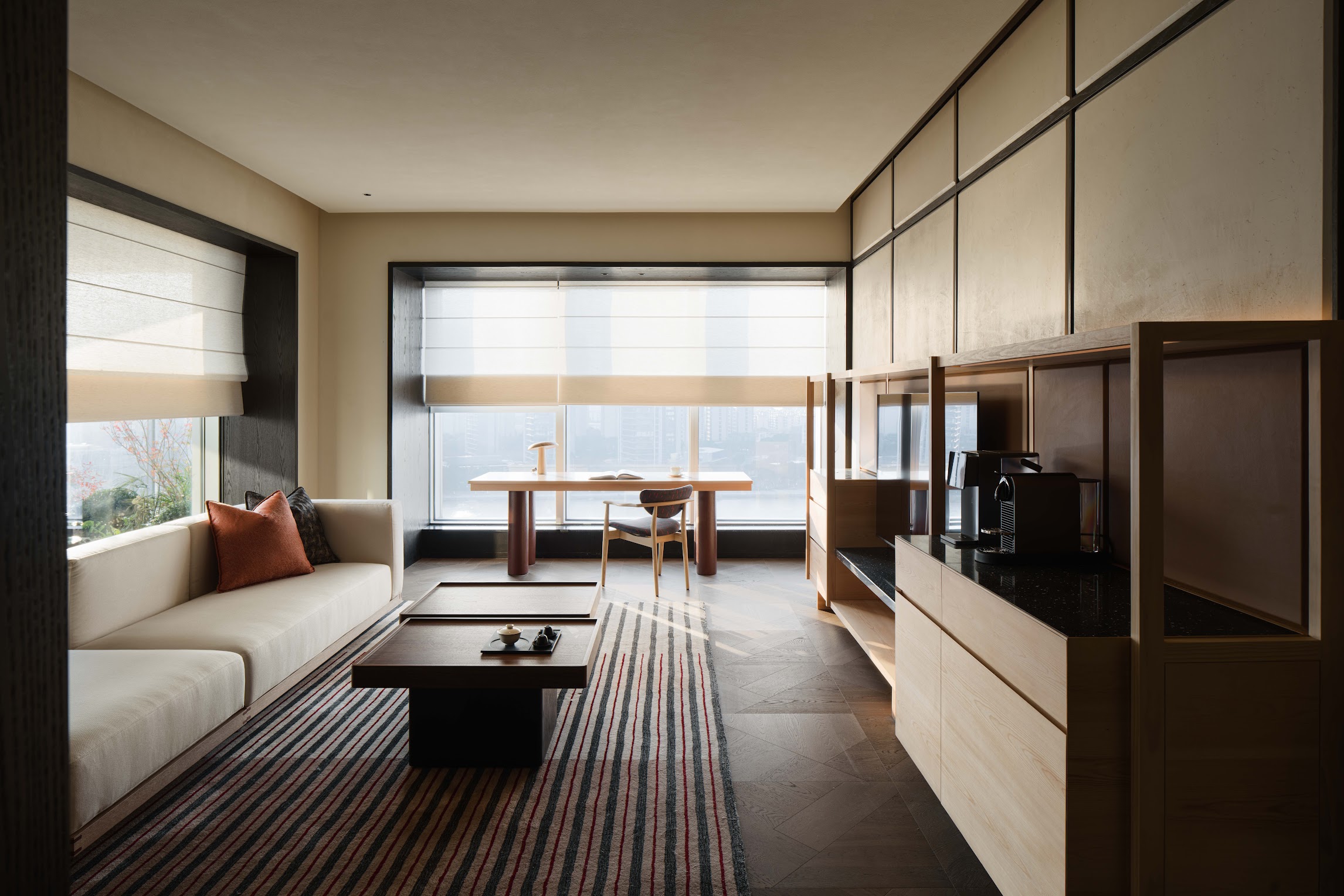
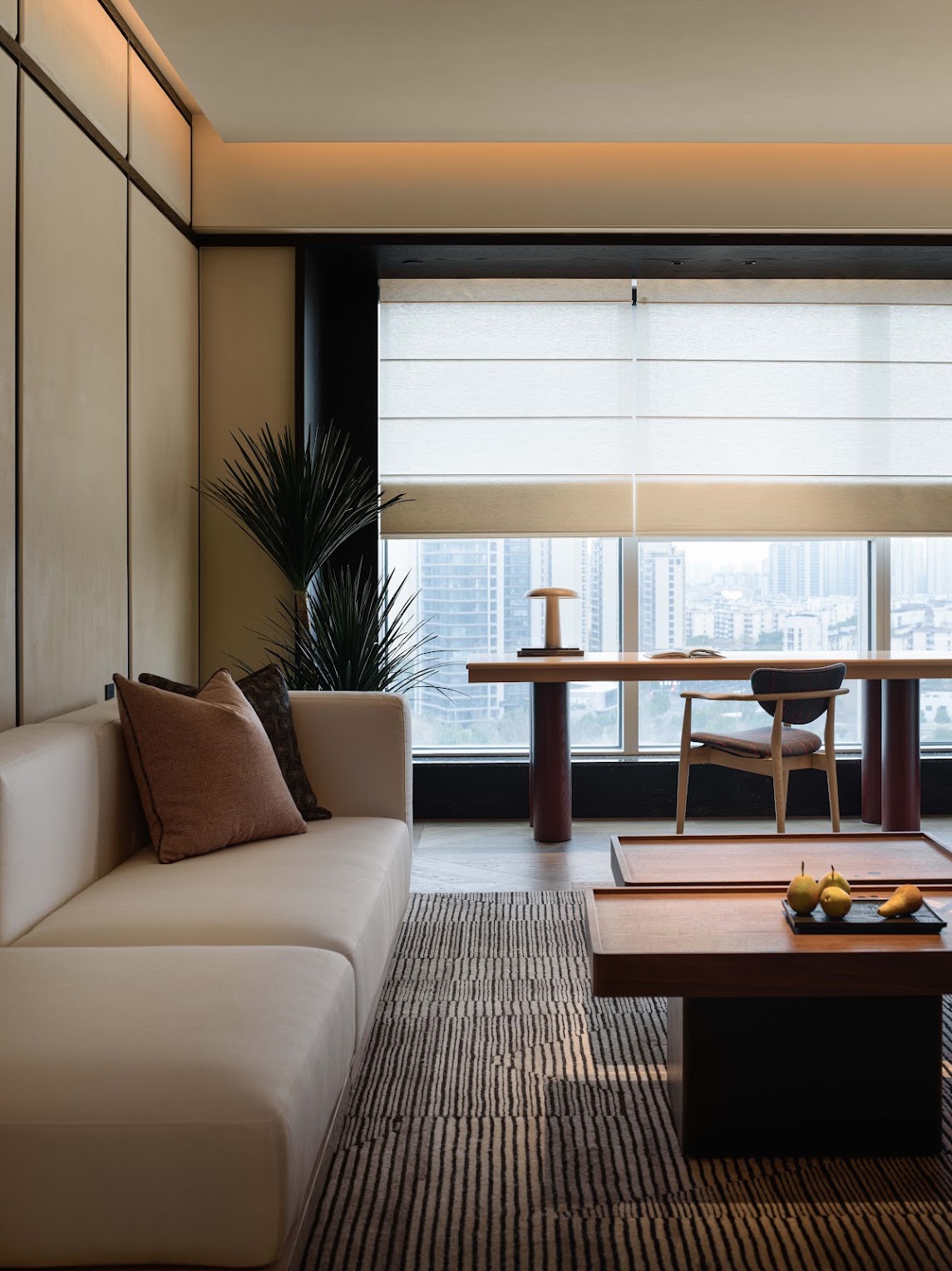
With just 88 guest rooms, Y Hotel embodies a deliberate sense of restraint. Generously
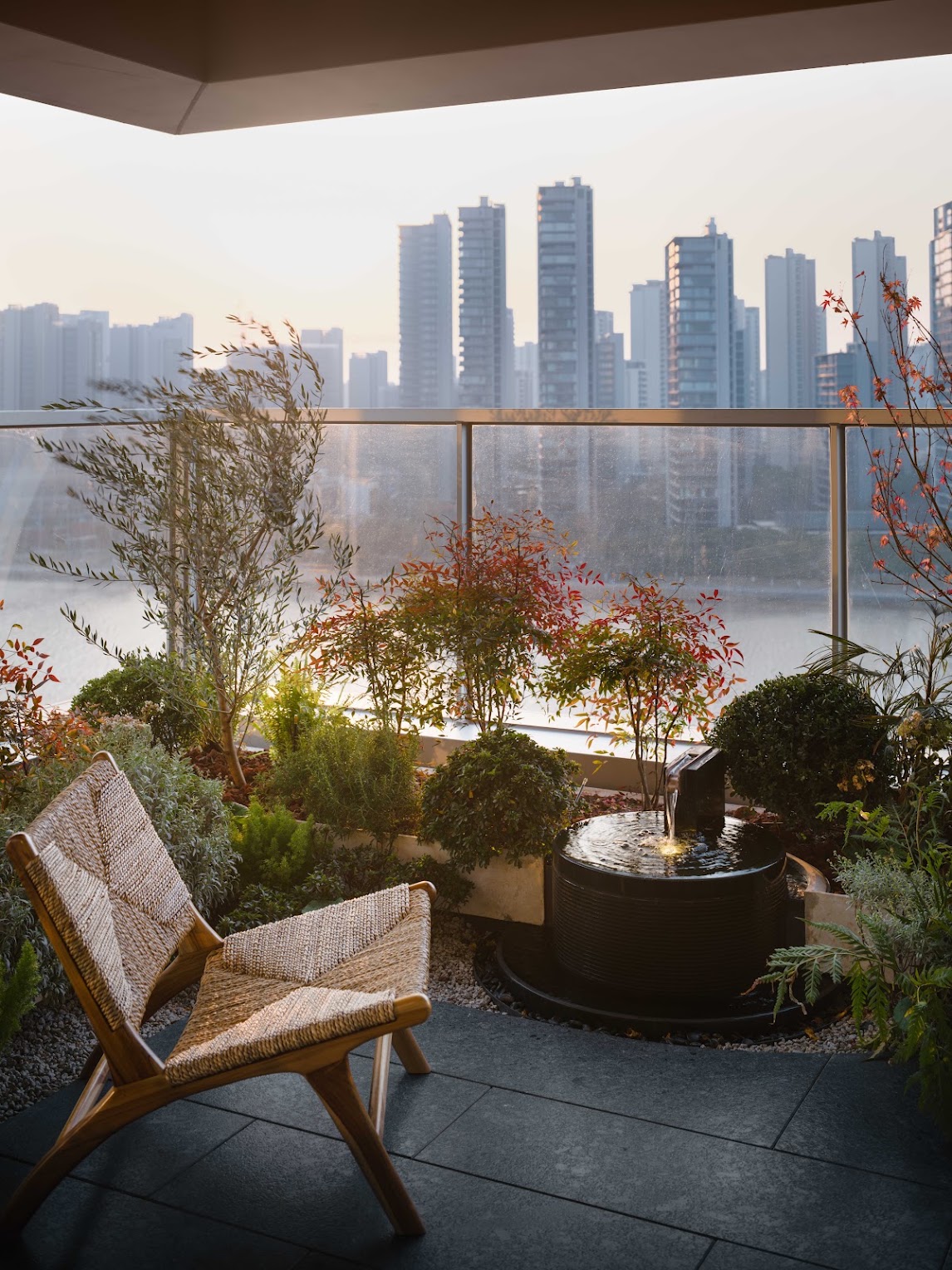
proportioned accommodations include corner rooms with balconies or terraces, while select suites feature private gardens—an exceptional luxury within a dense urban environment.
The design emphasizes openness to the surrounding landscape. Every room connects to nature through a balcony, terrace, or private garden. Mornings begin among blooming flowers, while evenings unfold beneath the stars. Nature is no longer a distant view but an integral part of everyday life.
Here, the idea of being "hidden within the city" becomes not simply a concept, but a lived experience.
The Duality of Wood: Tracing Time Through Material
"I went to the woods because I wished to live deliberately..." wrote Henry David Thoreau in Walden—a philosophy reflected in the material palette of Y Hotel.
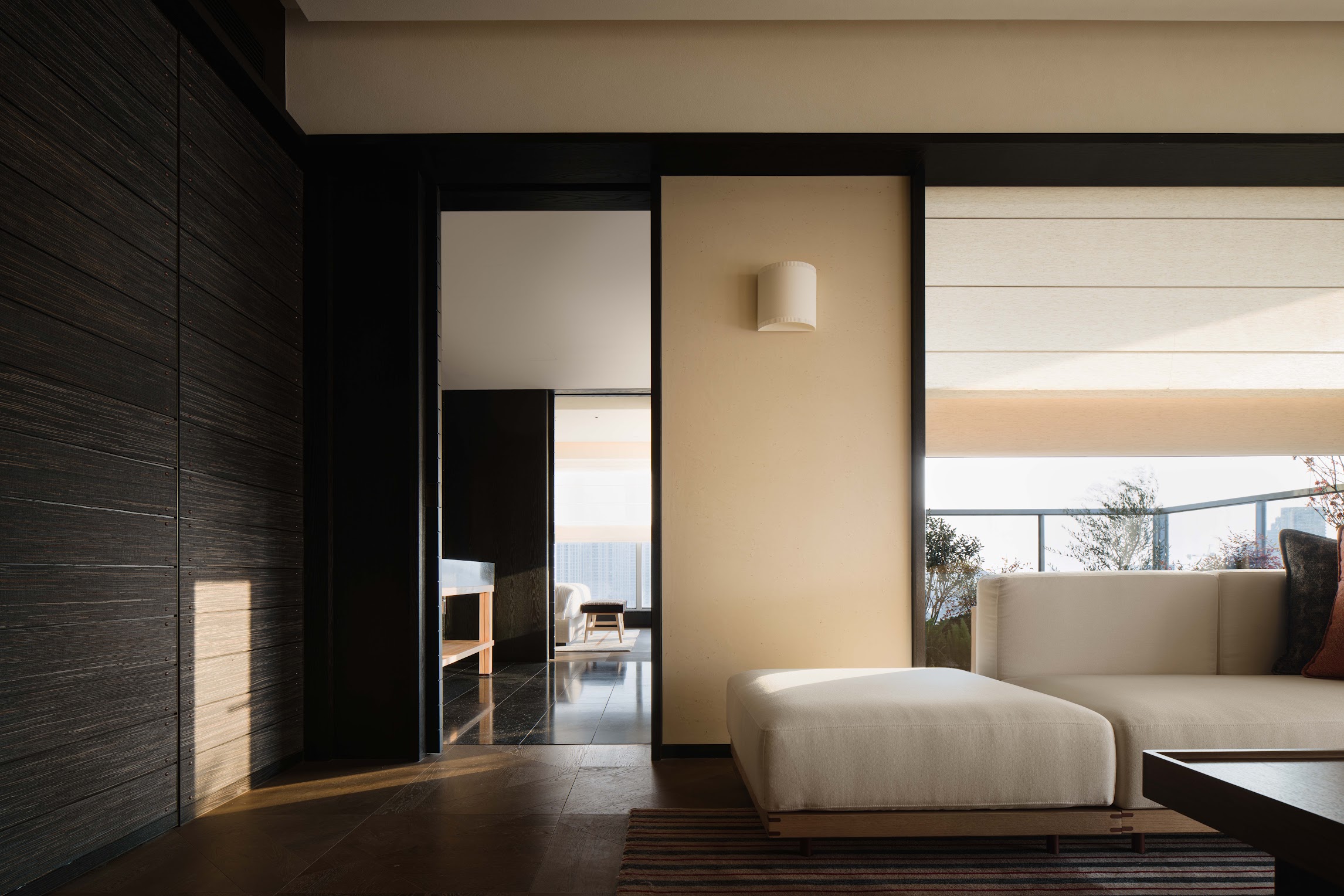
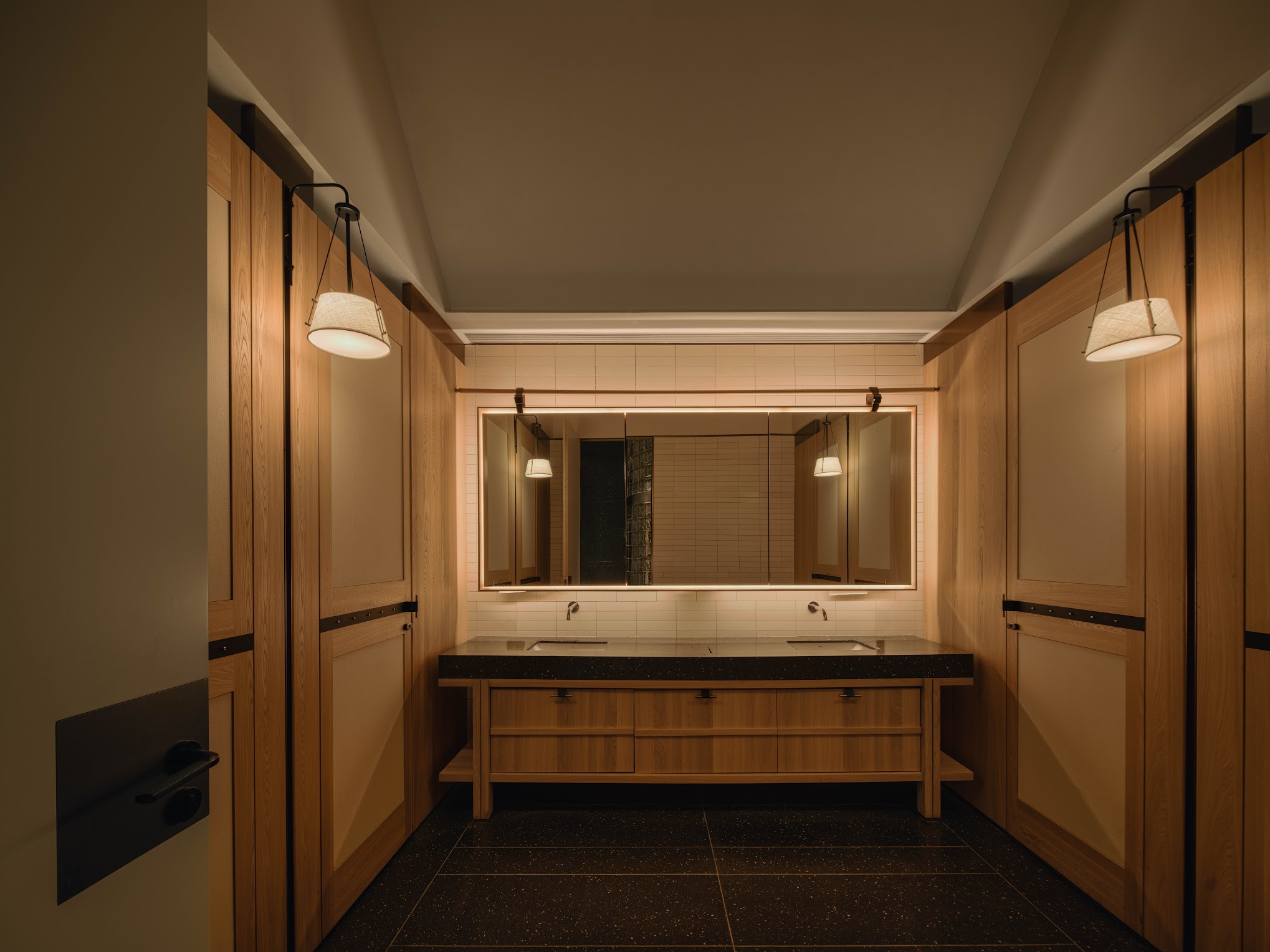
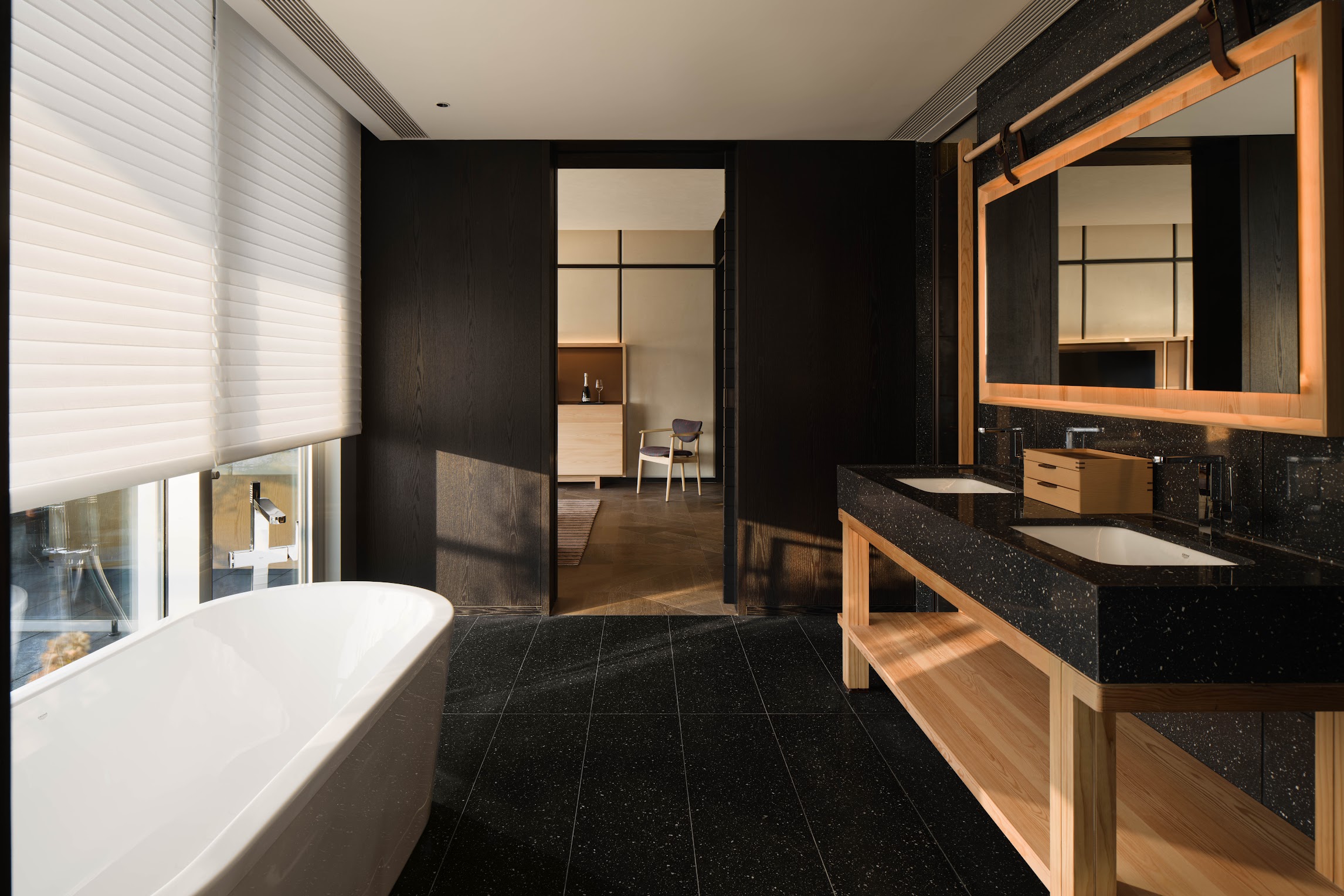
Two types of wood define the interiors: Japanese cypress and carbonized wood. Japanese cypress is smooth, warm, and subtly fragrant, evoking a quiet emotional familiarity. Carbonized wood, by contrast, retains a rugged texture shaped by nature itself—raw, expressive, and full of character.
Soft and strong, refined and rugged, these contrasting materials create layers of visual and tactile depth. Rather than concealing imperfections, the design embraces them, allowing time to leave its gentle imprint. It reflects the designers' belief that authenticity is found not in perfection, but in the beauty of natural aging.
Understated Luxury: Redefining Sophistication Through Restraint
At Y Hotel, luxury is defined neither by scale nor by ornamentation. Instead, the design relies on balanced proportions, natural light, and meticulous detailing to create an atmosphere of quiet refinement.
This understated luxury does not reveal itself at first glance. Instead, it unfolds gradually through comfort, functionality, and thoughtful craftsmanship. Every design decision prioritizes the human experience, infusing the space with warmth and soul. In its restraint, the design returns to authenticity—the essence of its philosophy.
A Secret Garden Within the City
Y Hotel is, above all, a place where time slows down. Through fluid spatial transitions, restrained aesthetics, and natural materials, it transforms the idea of an urban retreat into a tangible experience.
It offers city dwellers a place of emotional transition—a place to pause without leaving the city and reconnect with themselves without traveling far.
"To dwell amidst the human world, yet remain inwardly detached."
Along the riverside in Ningbo, Y Hotel quietly awaits every traveler seeking rest. Here, the moments that allow the heart to slow become the journey's most treasured memories.