
- 2026 Silver Prize
- From Landscape Design
CO₂ FREE
Project Description
Work type: Architectural Design / Landscape Buildings
Video link: https://vimeo.com/552014170?fl=pl&fe=vl
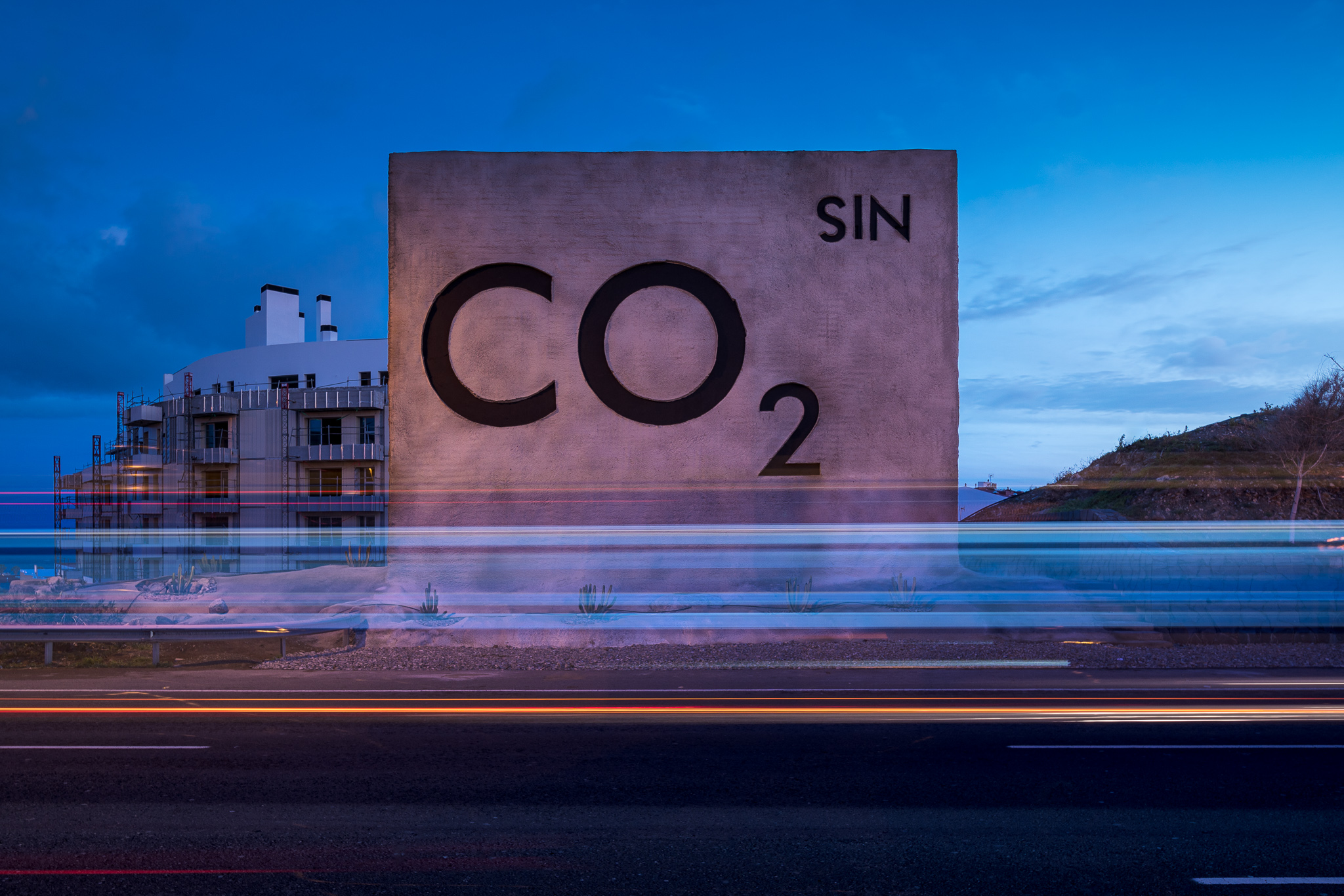
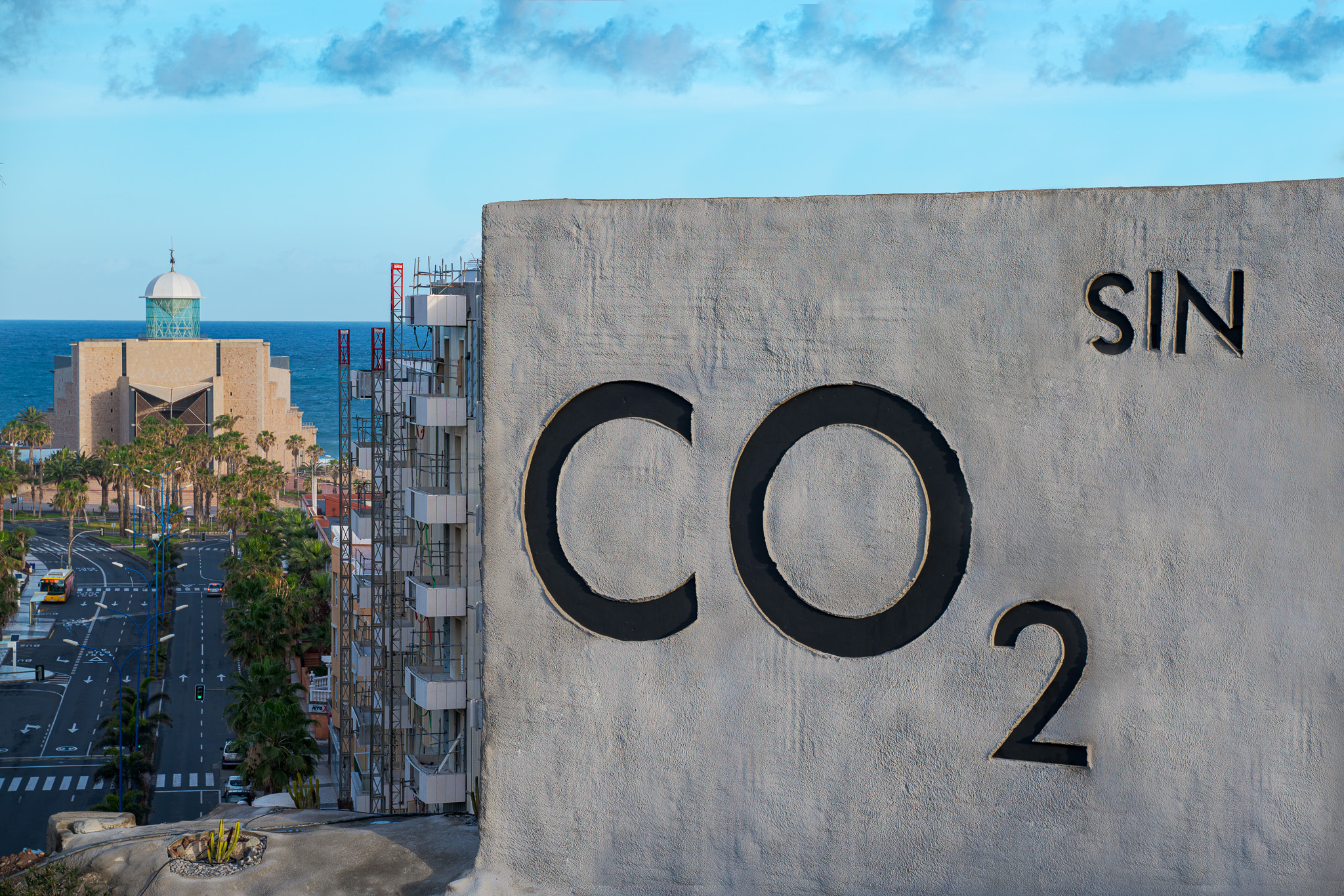
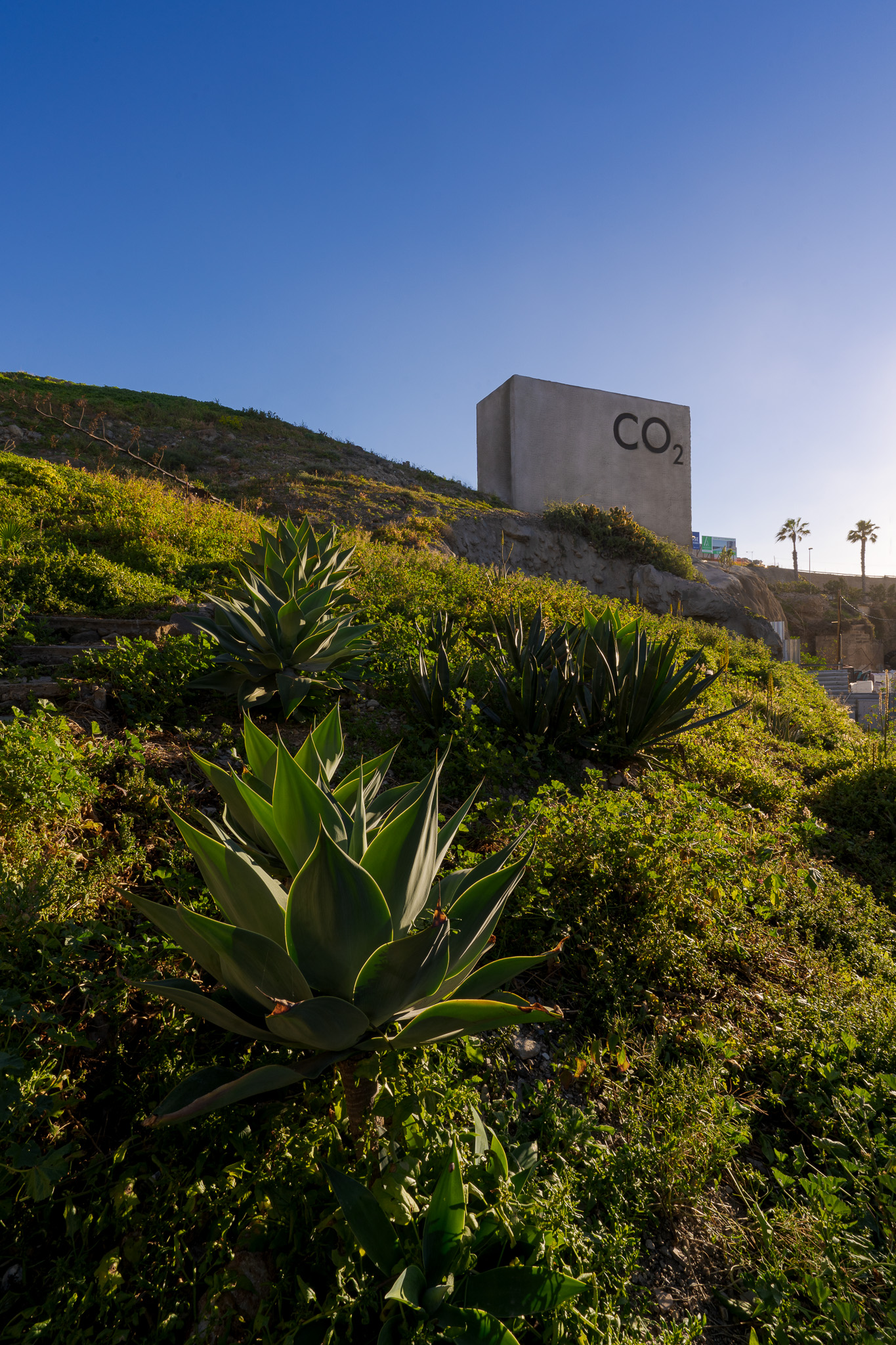
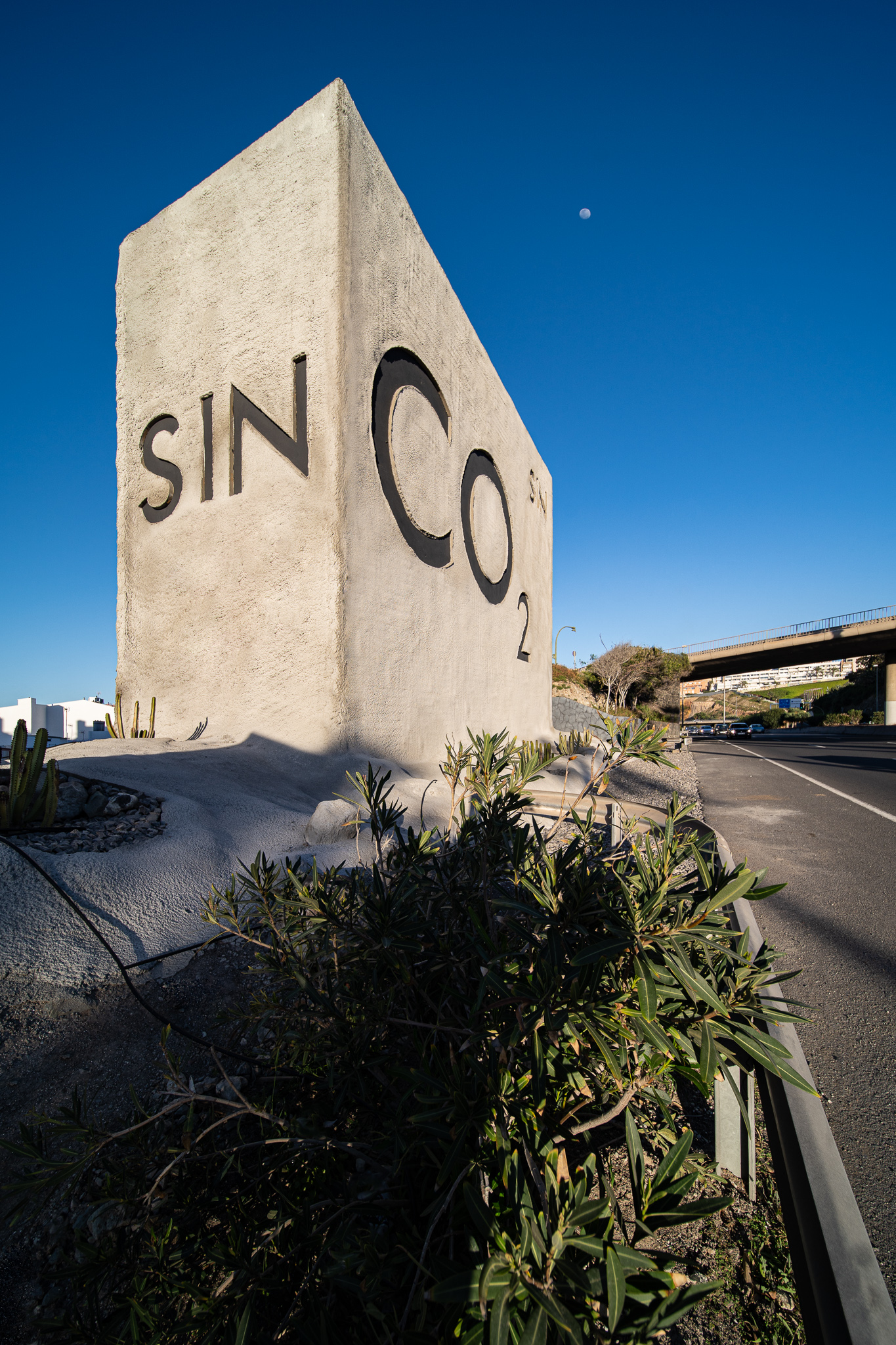
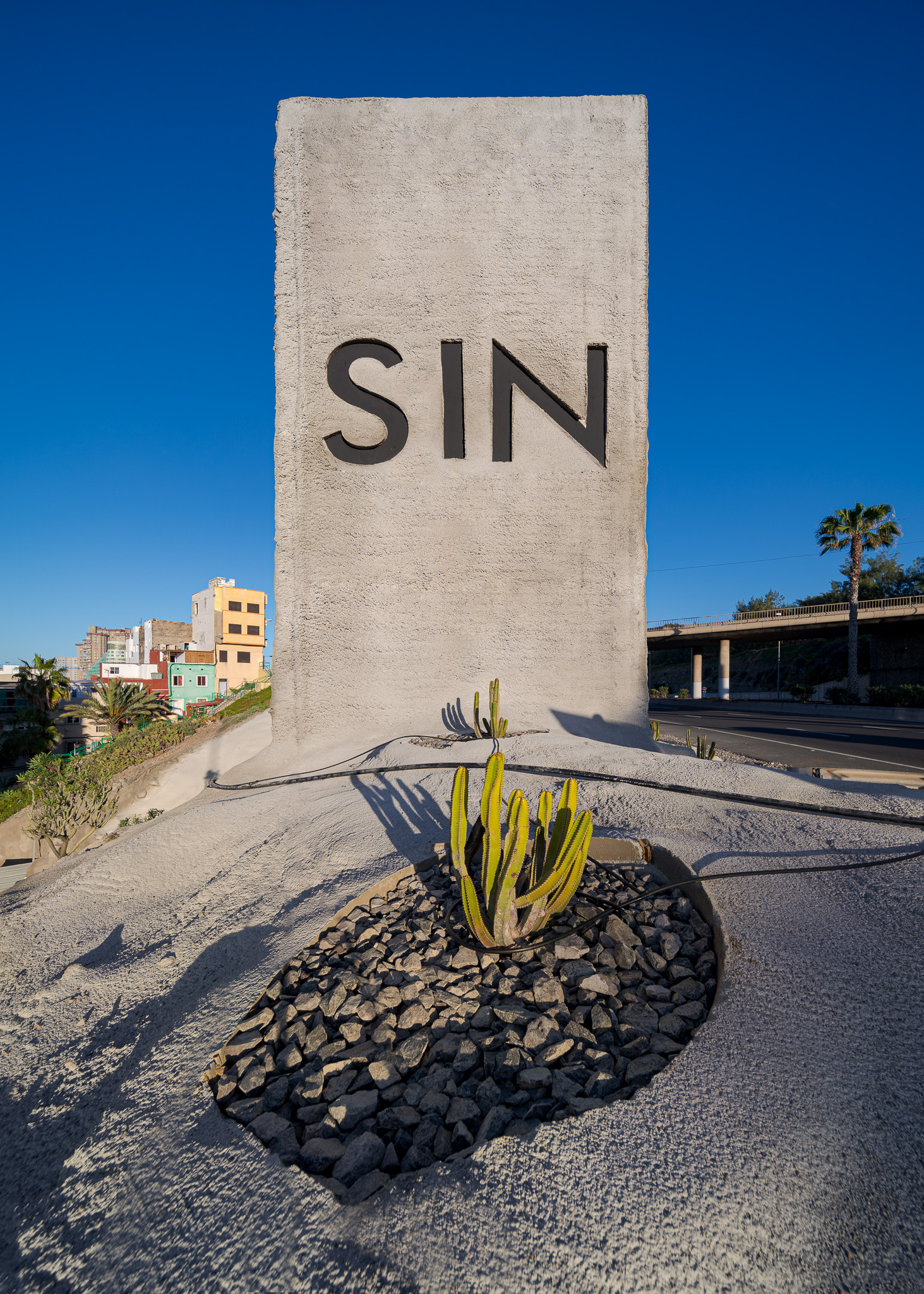
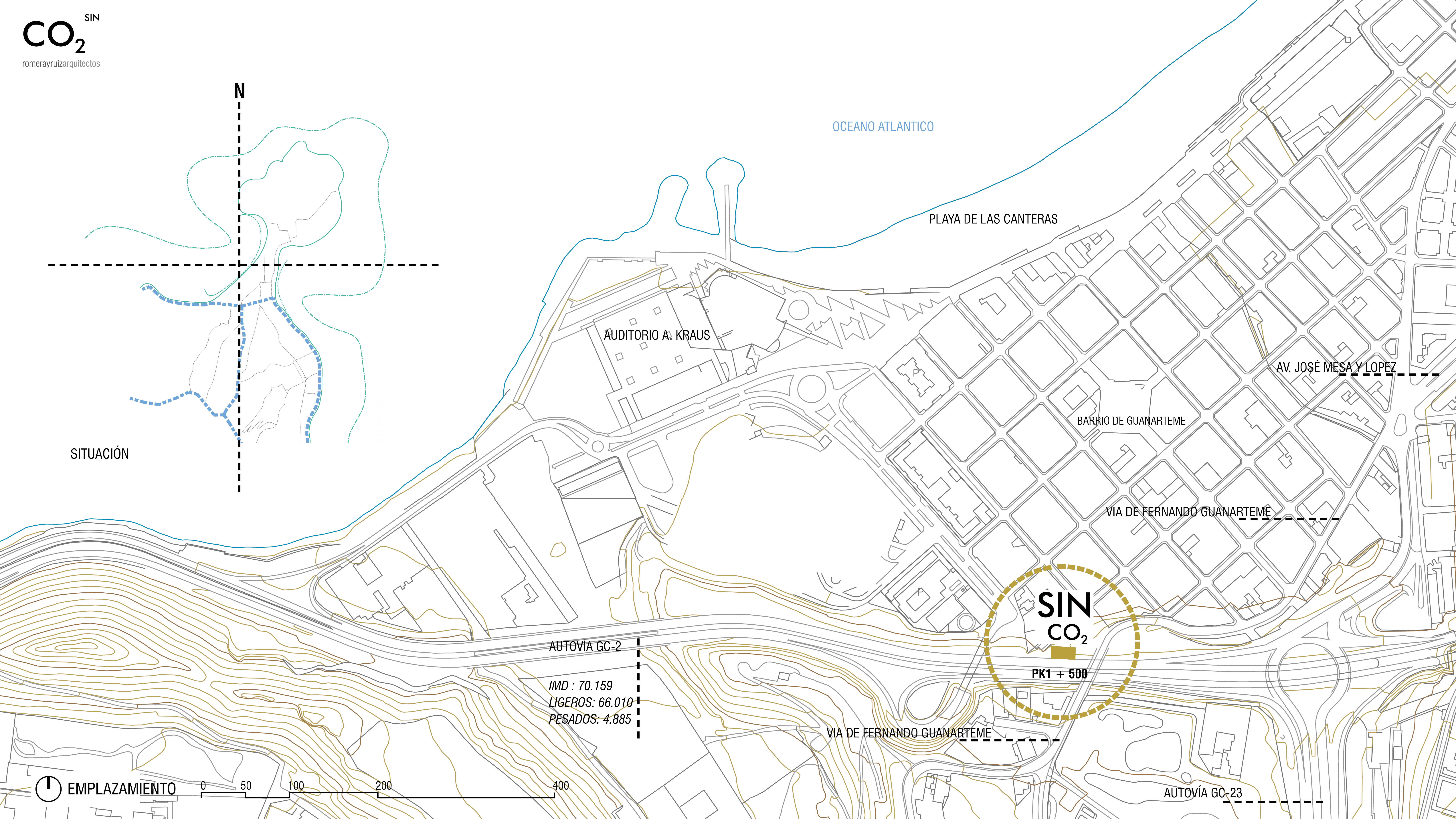
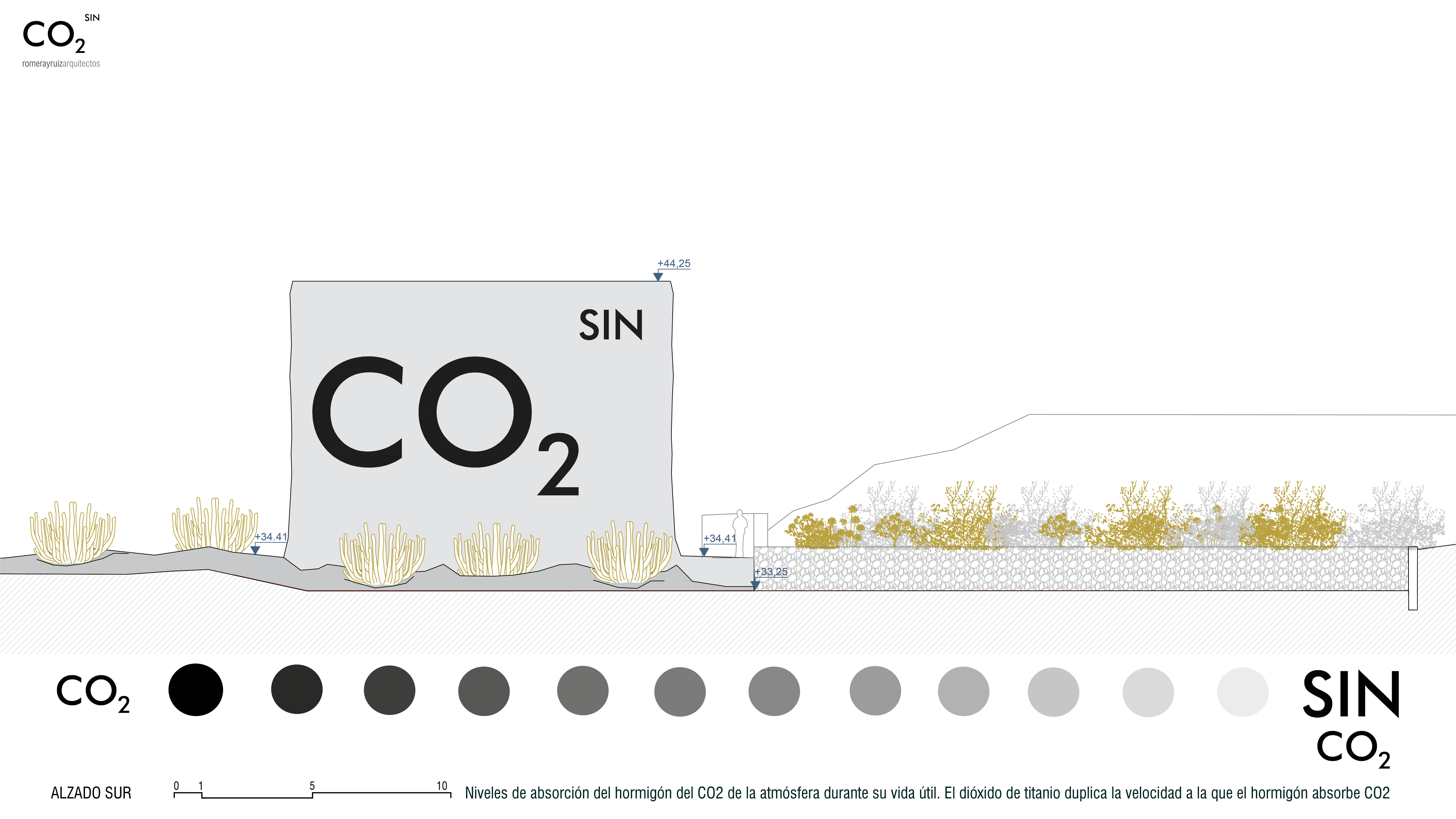
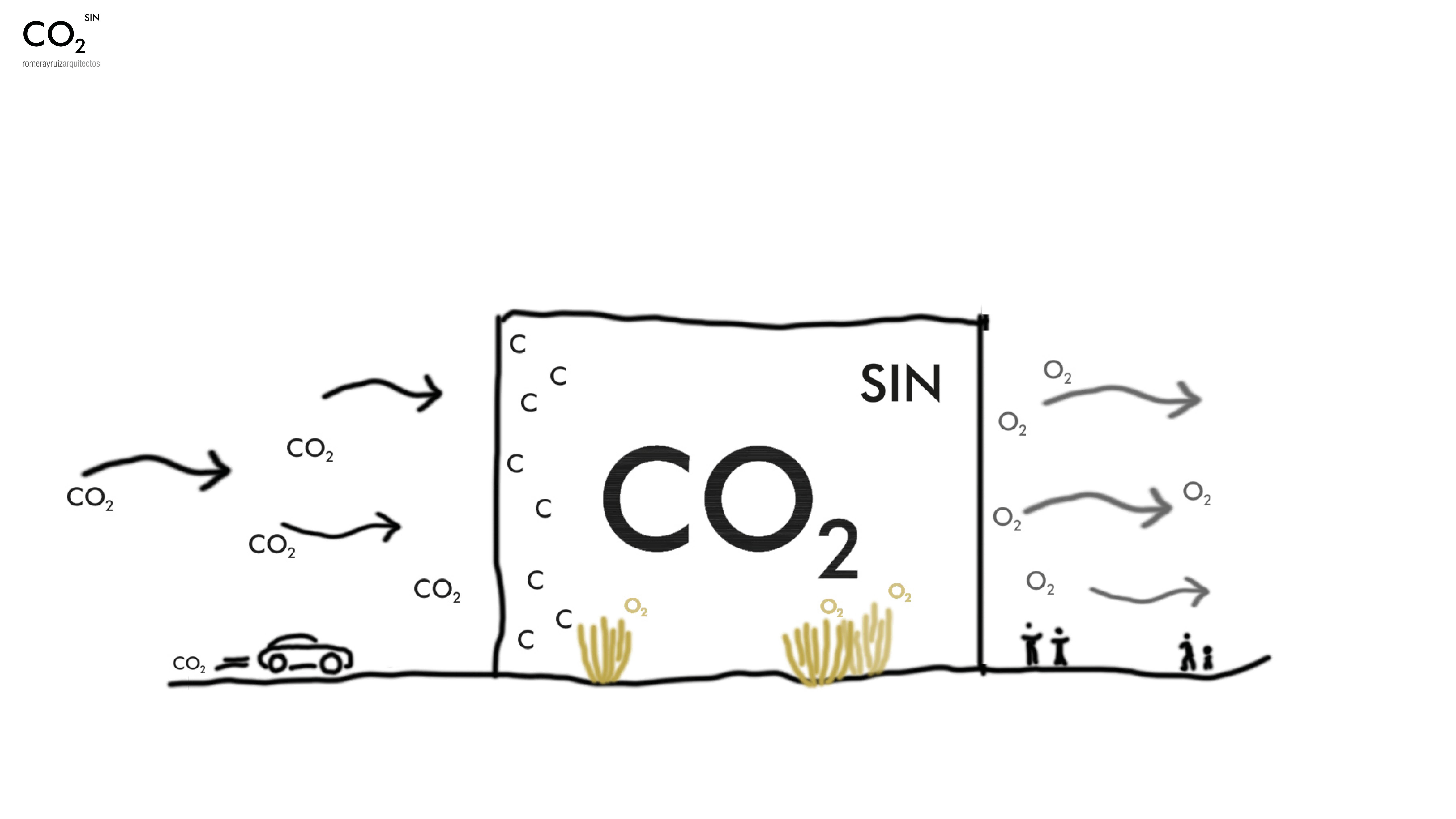
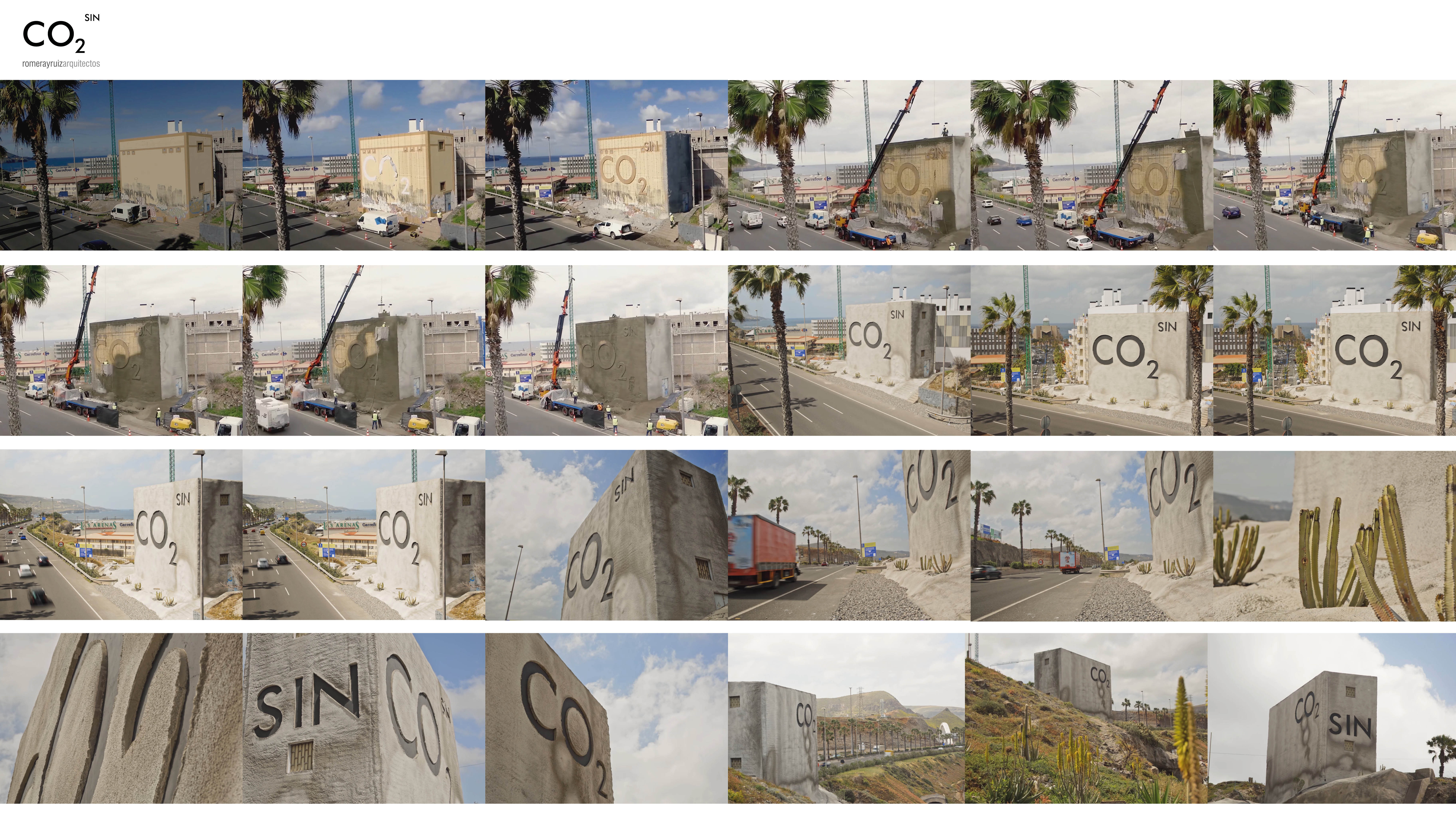
Located next to one of the busiest motorways on the outskirts of Las Palmas de Gran Canaria, it stands on the hillside, CO2 free, like a volcanic rock, serving as an environmental statement. Early humans, in their relationship with the landscape, left their mark by constructing artificial mounds or rearranging large stones. Based on the premise that the intervention would generate a smaller carbon footprint than demolishing the building itself, this project proposes transforming the structure into a landscape landmark that champions sustainability by cladding it in shotcrete that captures and traps CO2 emissions. Dynamism is added to the intervention through moulded recesses on the south and north façades, which reveal the existing cladding alongside a message promoting environmental awareness. This transforms it into a stone structure that acts as a dialogue between the city and the motorway.
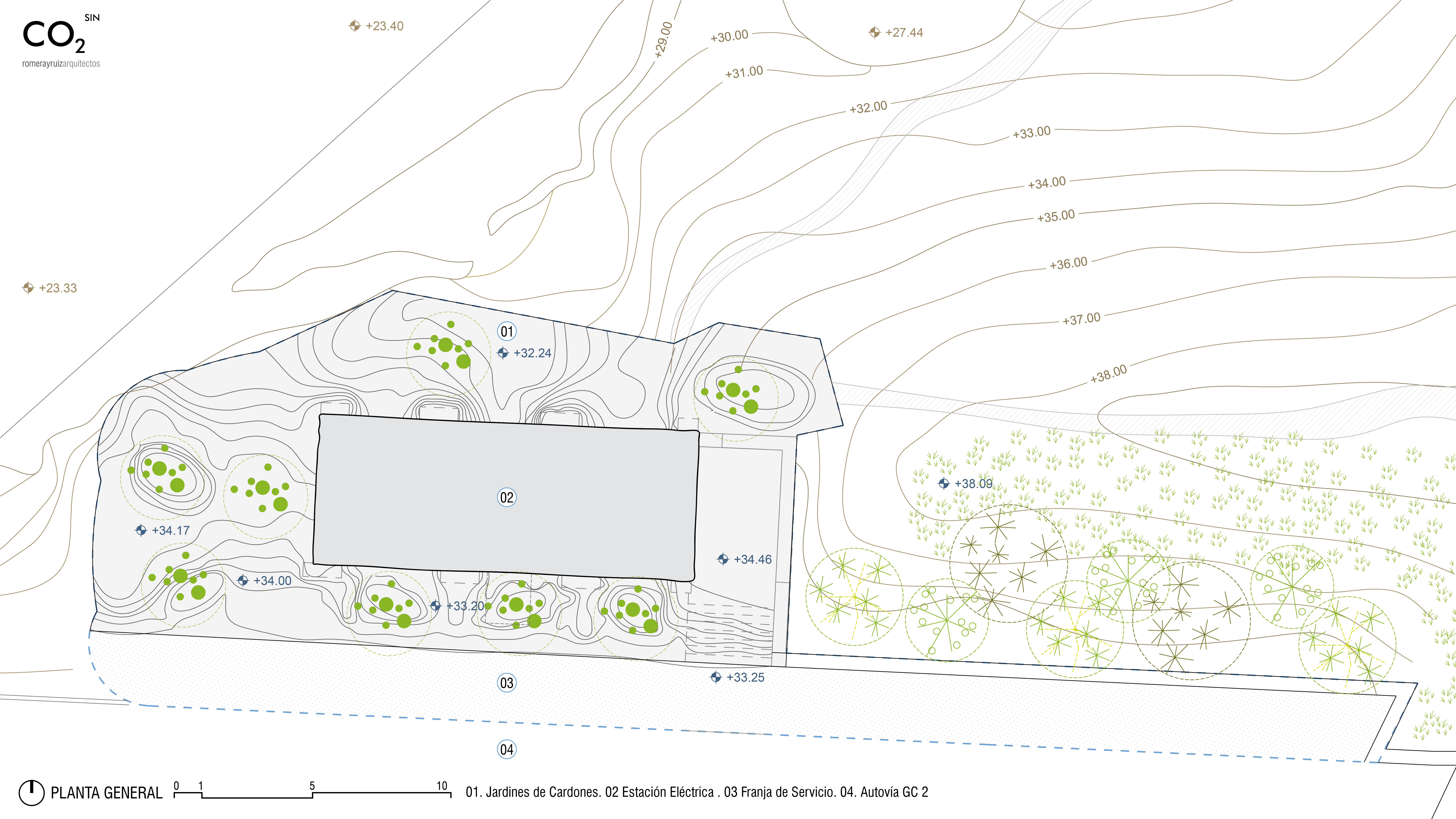
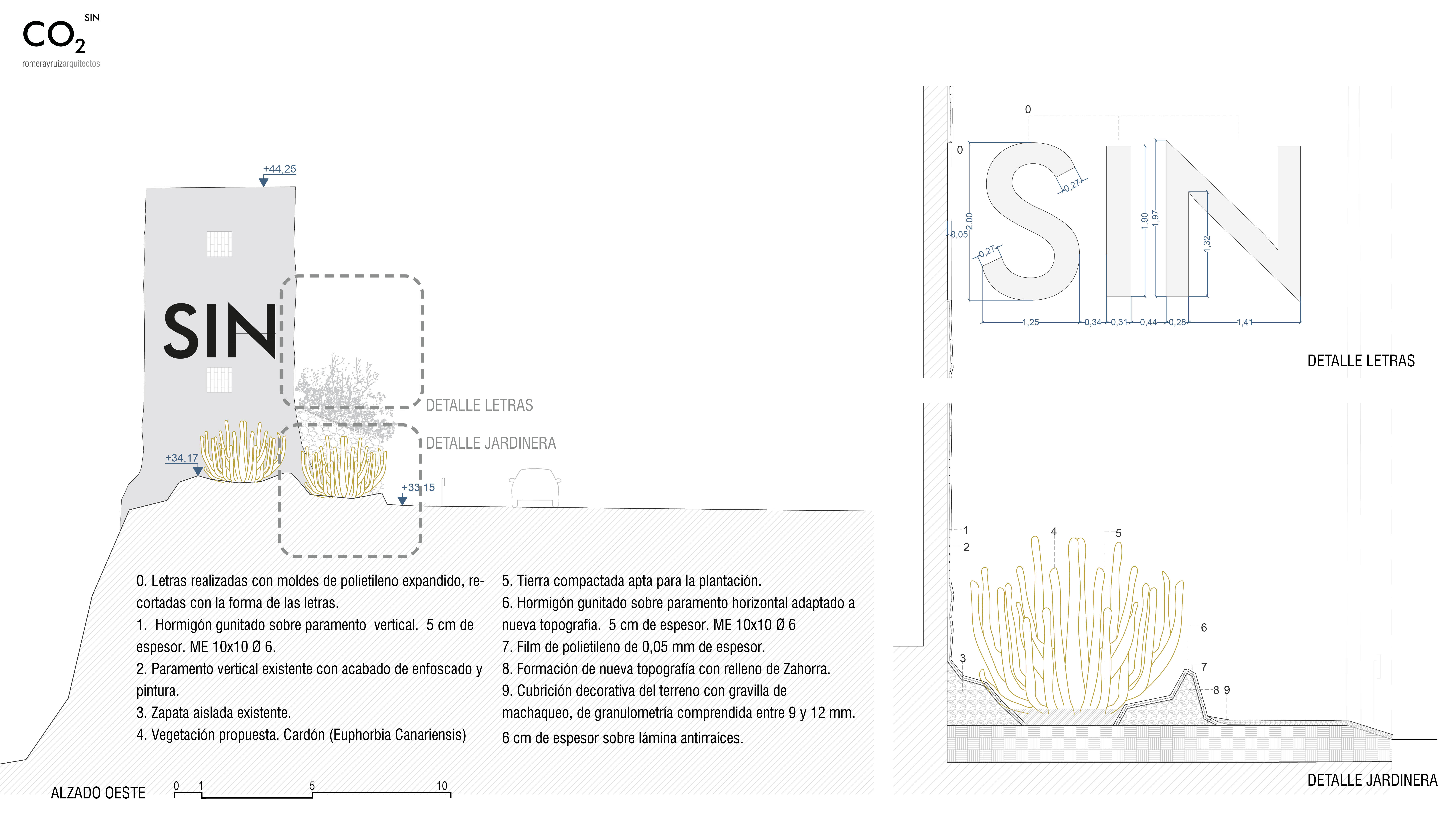
The existing building housed a high-voltage substation, standing out as an eyesore in the landscape. The project forms part of the Landscape Regeneration Plan for the main road network on the island of Gran Canaria, promoted by the Cabildo de Gran Canaria. Having decided to work with the existing built environment, three key issues affecting the project area are addressed: the landscape enhancement of the GC-2 motorway corridor, the prevention of vandalism that could damage the structure’s exterior by integrating it with its surroundings, and the reduction of CO2 emissions. The proposed solution ensures a harmonious integration of these three objectives. Within this programme for landscape restoration, gardening—as an art linked to architecture and a system for managing the land—can play a decisive role in the future. In a sense, through landscaping, the quest for a spiritual relationship of enjoyment between the parts and the whole would be restored. The ground level is returned to a natural and organic state through the creation of a varied topography forming concave flowerbeds that will house Cardon cacti (Euphorbia Canariensis).
The transformation of this small landscape could lead to a reconciliation between the city’s needs and the physical environment. The implementation of environmental strategies within the city could address issues that are particularly pressing today: the control and improvement of the various microclimates within the city, noise pollution, environmental pollution, and, more generally, the psychological enhancement of the urban space as the ultimate expression of the social. Improvement and conservation as such constitute one of the fundamental tasks of contemporary practice, where the relationship between architecture and the landscape must be transformed, so as to begin to consider the preservation of the urban environment in light of the irreversibility of the processes currently underway.

Romera arquitectos has been developing a wide range of projects and built works since 1999, while also participating in numerous cultural initiatives. Its work has been awarded, exhibited, and published in various national and international media. This intense professional and academic practice is grounded in an understanding of design as an open, experimental, and creative process — one that approaches play as a tool for knowledge and invention, where:
“To play is to learn, but also to teach, to create, to discover, to tempt chance, to befriend, to experiment, to remember, to represent, to superimpose, to compete, to enjoy, to surprise, to marvel, to communicate, to feel, to think, to live, to win and to lose, to fulfil, to travel, to collect, to direct, to dream, to venture, to take risks, to be joyful and sad, to engage in dialogue, to fantasize, to trust, to confess, to confirm, to tolerate, to expose, to train, to rehearse, to bring closer, to know, to frolic, to entertain, to suggest, to contribute, to awaken, to seduce, to devise, to draw, to build, to design and, above all, to project and imagine…” Juan Luis Trillo de Leyva.